2026 Best Corundum Mullite Plate Benefits and Applications?
The Corundum Mullite Plate has gained significant attention in various industrial applications. This material stands out due to its unique properties, including high thermal stability and excellent mechanical strength. Reports indicate that the global demand for high-performance refractory materials is expected to reach over $30 billion by 2026. Corundum mullite plates play a crucial role in meeting this demand.
In industries like ceramics and glass, these plates are essential. Their ability to withstand extreme temperatures allows them to be used in kilns and furnaces. A recent study highlighted that using corundum mullite can improve energy efficiency by nearly 25%. However, it is crucial to recognize that manufacturing quality can vary. Some suppliers might cut corners, affecting the overall performance.
Moreover, while the benefits are clear, customers often face challenges in sourcing reliable products. Many options exist, but not all meet industry standards. Proper evaluation is necessary to ensure longevity and performance. The future of corundum mullite plates looks promising, but attention to detail in product selection remains vital.
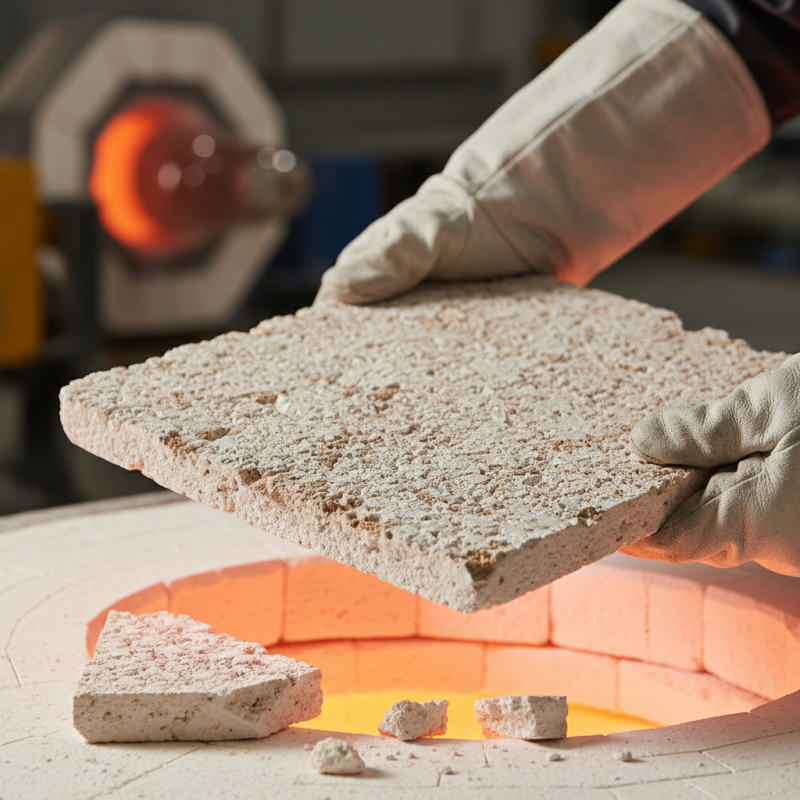
Benefits of Corundum Mullite Plates in High-Temperature Applications
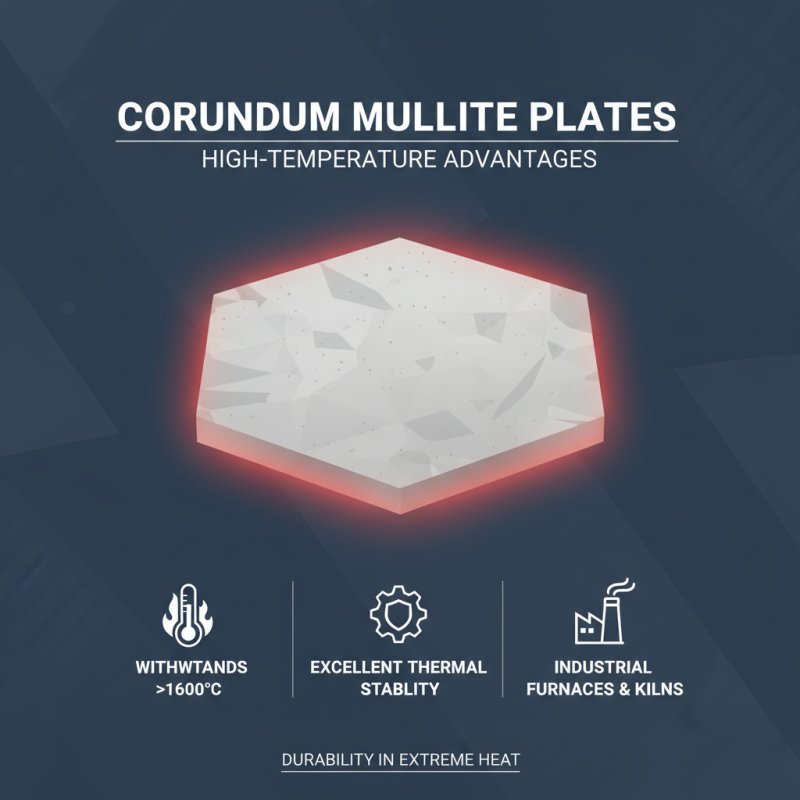
Corundum mullite plates are increasingly recognized for their significant benefits in high-temperature applications. Their unique structure allows them to withstand extreme heat without losing integrity. This makes them ideal for industrial furnaces and kilns. These plates can endure temperatures exceeding 1600°C. They maintain excellent thermal stability, ensuring durability under challenging conditions.
In addition to heat resistance, corundum mullite plates also offer low thermal conductivity. This property helps in energy efficiency. Using these plates can reduce heat loss in various processes. Moreover, they possess high resistance to thermal shock, which is crucial in environments where rapid temperature changes occur.
Tips: When selecting corundum mullite plates, consider their thickness and size based on your specific needs. Regular inspections can identify wear early. Always ensure proper installation to maximize performance. Knowing these details can enhance your experience and prevent potential issues.
Applications of Corundum Mullite Plates in Industrial Furnaces
Corundum mullite plates play a critical role in industrial furnaces. These plates are valued for their thermal stability and resistance to chemical attacks. In high-temperature environments, such as gasifiers and kilns, maintaining structural integrity is crucial. A recent industry report highlighted that corundum mullite can withstand temperatures exceeding 1600°C, making it suitable for extreme applications.
In steel production, these plates are used for linings. Their durability reduces wear and minimizes downtime. A study found that using corundum mullite can extend the life of furnace linings by up to 30%. However, manufacturers occasionally face challenges ensuring uniform quality in production. This inconsistency can lead to premature failures and increased operational costs.
Application in glass and ceramics industries is also significant. Corundum mullite plates provide reliable insulation, enhancing energy efficiency. Reports indicate that furnaces employing these plates experience up to 20% lower energy consumption. Still, there remains a need for continual advancements to improve heat resistance and thermal shock properties. Balancing performance with cost will be essential for future developments.
Benefits and Applications of Corundum Mullite Plates in Industrial Furnaces
Comparison of Corundum Mullite Plates with Other Refractory Materials
Corundum mullite plates are gaining attention due to their unique properties compared to traditional refractory materials. They exhibit excellent thermal stability and low thermal conductivity, essential for various industrial applications. A recent industry report indicates that corundum mullite has a thermal shock resistance that surpasses that of conventional alumina and fireclay refractories. This advantages makes them ideal for high-temperature environments.
In terms of mechanical strength, corundum mullite plates often outperform their counterparts. Their flexural strength can reach up to 200 MPa, while many standard materials fall short. This high-performance capability means lower failure rates in demanding conditions. However, they can be more brittle, which poses fabrication challenges. This fragility means careful handling is vital during installation and maintenance.
Cost-effectiveness is another consideration. Corundum mullite plates typically have a higher initial price but may lead to long-term savings through lower maintenance needs. Users need to weigh these factors against initial expenditures. While many find value in the longevity and reliability provided, some remain hesitant due to the upfront costs associated with these advanced materials.
2026 Best Corundum Mullite Plate Benefits and Applications - Comparison of Corundum Mullite Plates with Other Refractory Materials
| Material Type |
Thermal Conductivity (W/m·K) |
Service Temperature (°C) |
Chemical Resistance |
Applications |
| Corundum Mullite Plate |
8 - 15 |
1600 - 1800 |
High |
Kiln linings, furnace floors, and heat exchanger components |
| Alumina Plate |
10 - 25 |
1300 - 1500 |
Moderate |
Biomaterials, chemical processing |
| Silicon Carbide Plate |
60 - 120 |
2000 |
Very High |
High-temperature applications, abrasives, and wear-resistant parts |
| Fireclay Plate |
1 - 6 |
1200 - 1400 |
Low |
Basic furnace linings |
Performance Characteristics of Corundum Mullite Plates Under Stress
Corundum mullite plates are known for their impressive performance under stress. These plates exhibit exceptional mechanical strength and thermal stability. They can withstand high temperatures without significant deformation. This makes them ideal for applications in industries like ceramics and metallurgy. The unique composition allows them to endure thermal cycling effectively.
When subjected to stress, corundum mullite plates maintain their dimensions. Their resistance to thermal shock is notable. Manufacturers often choose these plates for environments with drastic temperature fluctuations. However, it's essential to note that not all applications yield the same results. Variations in material quality can lead to unexpected failures.
Tips: Ensure proper installation conditions are met. Monitor the operating environment closely. Small changes can result in significant impacts on performance. Testing each plate before deployment is critical to avoid setbacks. Implement regular maintenance practices to maximize durability and effectiveness.
Market Trends and Future Outlook for Corundum Mullite Plate Usage
The demand for corundum mullite plates is on the rise. According to recent market research, the global corundum mullite market is projected to grow at a CAGR of 5.2% from 2021 to 2026. This increase reflects a growing interest in high-temperature applications across several industries. The lightweight and thermal stability of these plates make them ideal for demanding environments.
Applications vary widely. Manufacturing companies use corundum mullite plates for kiln linings, foundries, and glass production. These plates can withstand extreme conditions, making them essential in processes that require high performance. Research also indicates that their longevity contributes to reduced maintenance costs, an attractive benefit for cost-conscious industries.
However, challenges persist. Not all manufacturers can meet the required standards for durability and thermal resistance. As a result, buyers need to evaluate the quality carefully. The market must address inconsistencies in production methods. Companies are exploring advanced manufacturing techniques to enhance quality control. More transparency is necessary to ensure optimal performance.