2026 Top Cordierite Mullite Sagger Benefits and Uses?
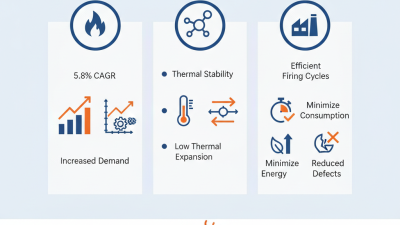
The Cordierite Mullite Sagger market is poised for significant growth. According to a recent industry report by Grand View Research, the global demand for high-performance refractory materials is increasing. This trend is largely driven by the rising production in the ceramics and glass industries. The Cordierite Mullite Sagger stands out for its thermal shock resistance and overall durability.
Dr. Emily Turner, a prominent expert in refractory materials, states, “Cordierite Mullite Saggers are essential for optimizing kiln performance.” Her insights highlight their efficiency in sustaining high temperatures without deteriorating. These saggers enhance firing processes and lead to better quality outcomes in ceramic production.
Despite their advantages, there are challenges. Cost fluctuations for raw materials can impact production. Companies must adapt to these market dynamics while maintaining quality. Understanding the balance between cost and performance remains a crucial consideration in this evolving market. The future of Cordierite Mullite Saggers looks promising, but vigilance is needed.
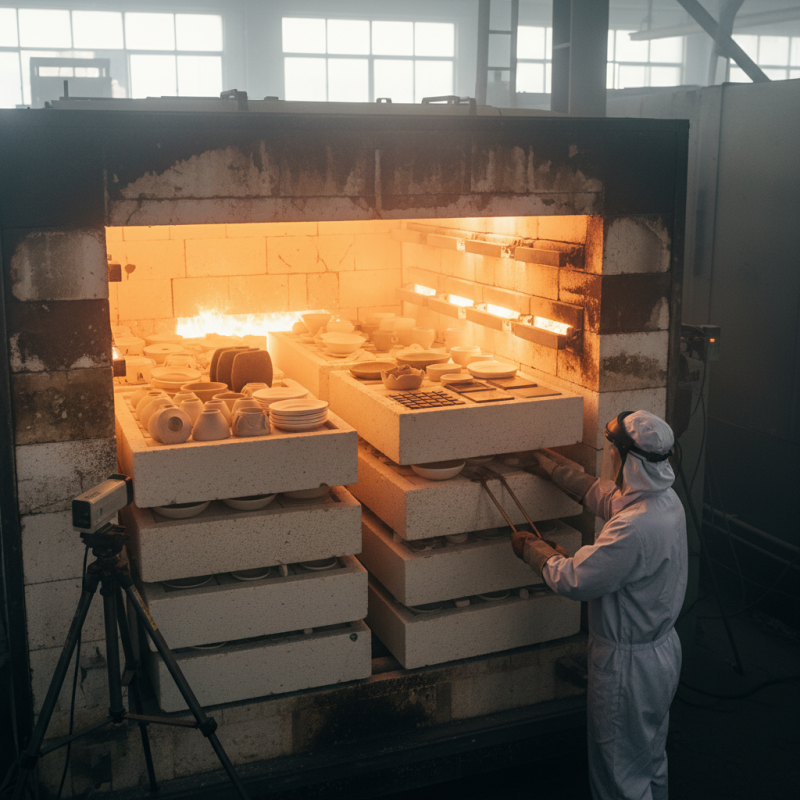
Key Properties of Cordierite Mullite Saggers
Cordierite mullite saggers are essential in high-temperature applications. They offer low thermal expansion and excellent thermal shock resistance. This makes them ideal for the ceramic industry. Their ability to withstand extreme conditions is remarkable. These saggers maintain form while minimizing warping.
The key properties of cordierite mullite saggers are crucial for achieving high quality in production. They typically have a high melting point, around 1450 degrees Celsius. This allows them to be used effectively in various firing processes. Additionally, they are lightweight. Their low density helps reduce overall production costs. However, manufacturing processes for these materials require precision.
While cordierite mullite saggers offer many benefits, some challenges exist. Controlling the porosity can be difficult. Too much porosity may affect performance. There is also the risk of cracking under specific conditions. Each production line is unique; adjustments may be necessary. Understanding these properties can help in optimizing their use.
Benefits of Using Cordierite Mullite Saggers in High-Temperature Applications
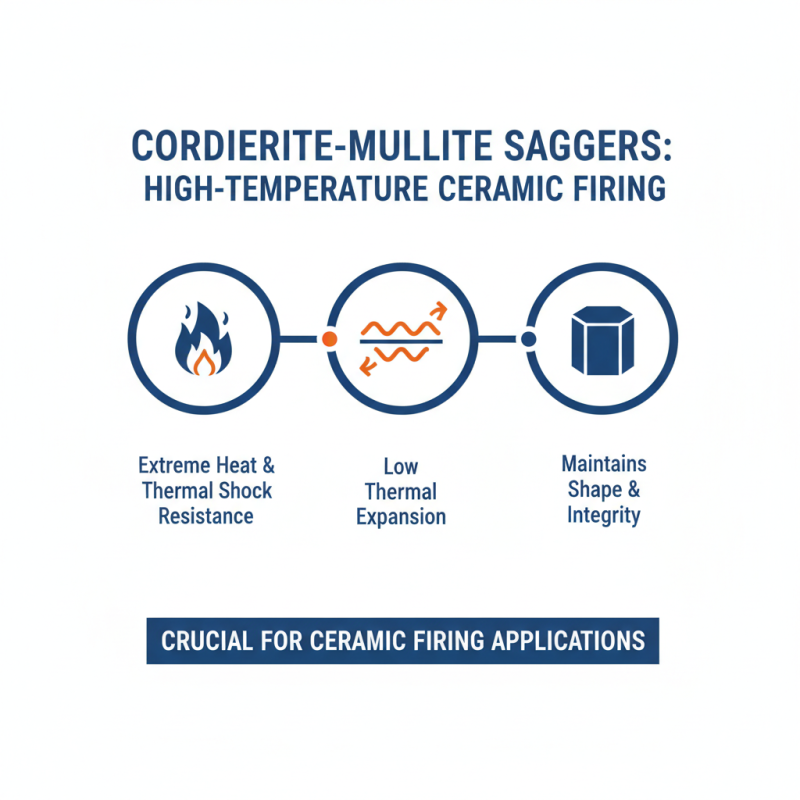
Cordierite mullite saggers are crucial for high-temperature applications. They withstand extreme heat and thermal shock, making them ideal for ceramic firing. This material's low thermal expansion minimizes stress during the firing process. As a result, saggers maintain their shape and integrity under intense conditions.
Using cordierite mullite saggers can enhance product quality. They provide a stable support for ceramics while ensuring uniform heating. This leads to better density and strength in finished products. Sometimes, manufacturers overlook the benefits of proper sagging materials, resulting in flaws.
Another noteworthy benefit is the energy efficiency of these saggers. Their thermal properties allow for faster heating times. However, these advantages can be compromised if the saggers are not maintained properly. Regular inspection is essential. Without it, even the best materials can fail, affecting overall production quality.
Common Applications of Cordierite Mullite Saggers in Industry
Cordierite mullite saggers are widely used in various industries. They are valued for their thermal stability and low thermal expansion properties. These characteristics make them ideal for high-temperature applications. Commonly, they are found in ceramic kilns, supporting the production of ceramic items.
In the glass industry, cordierite saggers are essential. They effectively withstand the heat during the glass melting process. Additionally, they provide a stable environment for glass products while they cool. This ensures better quality and fewer defects in the final product.
Tips: Always ensure proper handling of saggers to prevent damage. Additionally, monitor the temperature closely during use. Small fluctuations can lead to issues. If you notice any cracks, consider replacing them sooner. It's better to be cautious than to risk a larger failure. Cordierite mullite saggers are reliable, but maintaining them is key.
2026 Top Cordierite Mullite Sagger Benefits and Uses
| Application |
Benefit |
Temperature Resistance (°C) |
Typical Industries |
| Ceramic Firing |
Excellent thermal shock resistance |
1250 |
Ceramics, Pottery |
| Glass Firing |
Low thermal expansion |
1100 |
Glass Manufacturing |
| Metal Casting |
High dimensional stability |
1300 |
Foundries, Aerospace |
| Kiln Furniture |
Resistant to molten materials |
1400 |
Ceramics, Automation |
| Refractory Linings |
Corrosion resistance |
1500 |
Metallurgy, Chemical Processing |
Comparison of Cordierite Mullite Saggers with Other Materials
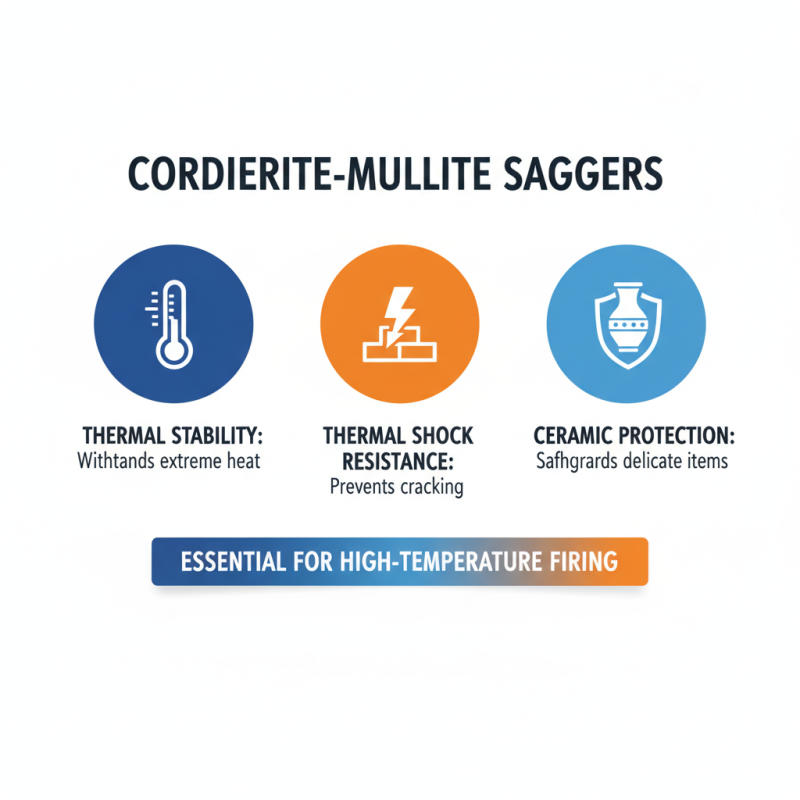
Cordierite mullite saggers stand out in the ceramics industry. Their thermal stability is remarkable, making them essential for high-temperature applications. Unlike traditional saggars, they can withstand thermal shock. This property helps protect delicate ceramic items during firing.
When comparing cordierite mullite saggers to other materials, some differences surface. For instance, they typically have lower thermal expansion rates. This characteristic minimizes stress during cooling cycles. However, they can be more fragile than alternative options. This fragility may lead to breakage under heavy loads.
In terms of heat resistance, cordierite mullite saggers excel. Yet, some users report challenges with handling. Ensuring proper support during transport is crucial. Failure to do so can result in cracks or chips. It's essential to weigh these aspects carefully when choosing materials for specific applications.
Maintenance and Care for Cordierite Mullite Saggers
Maintaining Cordierite Mullite Saggers is crucial for ensuring their longevity and performance. Regular inspection is necessary. Check for cracks, chips, or any signs of damage. Small imperfections can lead to bigger problems. If a sagger shows wear, it may need replacement sooner than expected.
Cleaning is another vital aspect of care. Use non-abrasive materials and mild cleaners. Rinse thoroughly to remove all residues. Ideally, clean after each use to keep them in optimal condition. Neglecting this step can create buildup, which impacts functionality. Avoid soaking them for long periods.
Additionally, proper storage can extend the life of these saggers. Store them in a dry environment, away from direct heat sources. Stack them carefully to prevent unnecessary stress. Think about how they are handled during use. Mishandling can easily lead to cracks and breaks. Regular maintenance may take time, but it's worth the effort for the benefits they provide.