2026 Top Porous Alumina Ceramics for Global Buyers?
Porous alumina ceramics represent a critical segment in advanced materials. As industries demand innovative solutions, their applications range from filtration systems to biomedical devices. According to a recent report by Grand View Research, the global porous ceramics market is projected to reach USD 3.43 billion by 2027, growing at a CAGR of 8.5%. This rapid growth highlights the significance of porous alumina ceramics.
Dr. James Horowitz, a leading expert in ceramic materials, emphasizes, "The versatility of porous alumina ceramics allows them to meet diverse engineering challenges." His insights reflect the material's adaptability across various sectors, including aerospace and environmental technology.
Despite their advantages, manufacturing these ceramics presents challenges. Achieving the ideal porosity and mechanical strength can be complex. As more industries explore their potential, understanding the nuances of porous alumina ceramics becomes increasingly crucial. The future may hold immense promise, but it necessitates careful consideration of production techniques and performance metrics.
Overview of Porous Alumina Ceramics
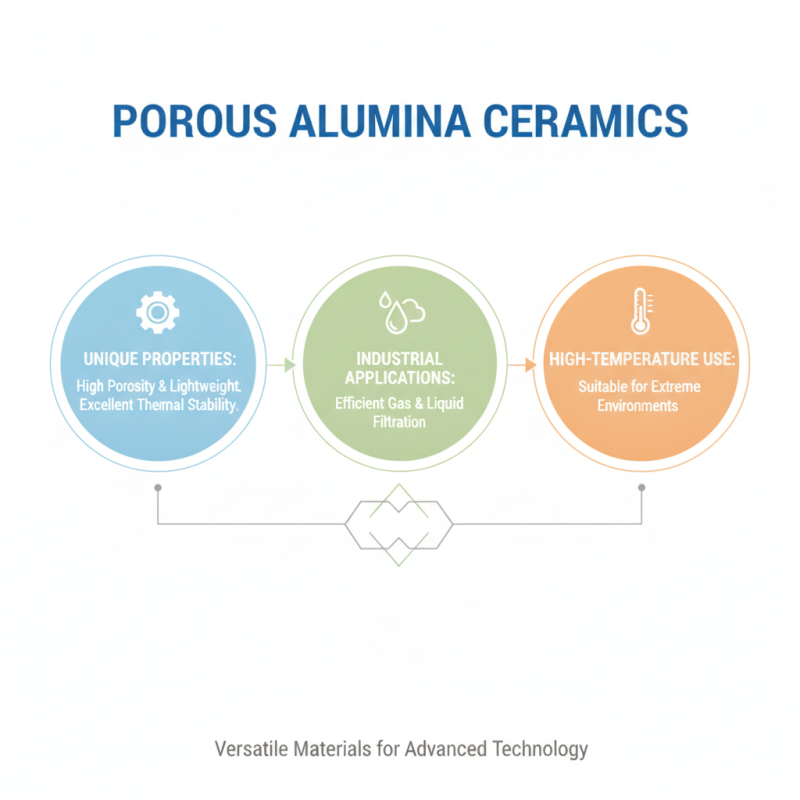
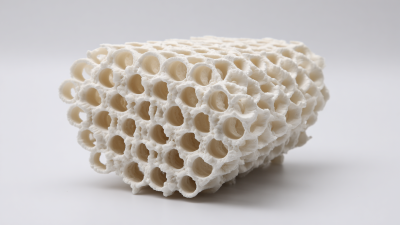
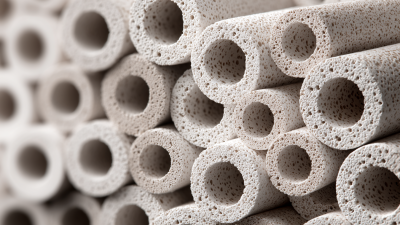
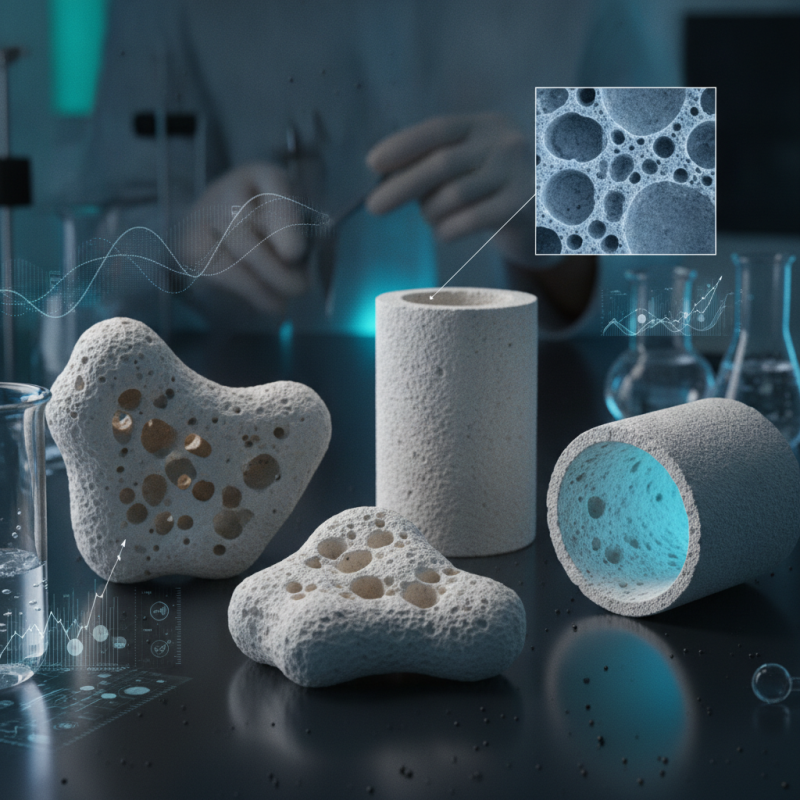
Porous alumina ceramics have garnered attention for their unique properties and applications. These materials are characterized by their high porosity and lightweight structure. They exhibit excellent thermal stability, making them suitable for high-temperature applications. Their porous nature facilitates efficient gas and liquid filtration processes, which is crucial in various industrial fields.
The global market for porous alumina ceramics is expanding. Many industries, including aerospace and automotive, recognize their potential. However, there are challenges in the manufacturing process that need addressing. Achieving uniform pore distribution can be complex. Variability in pore size may affect performance. These considerations call for innovative solutions and further research.
While the benefits are clear, some drawbacks should be noted. Porous alumina ceramics may not be as mechanically strong as their denser counterparts. This can limit their use in certain applications. Understanding these limitations is essential for optimizing their performance. Ongoing exploration in material science will likely enhance the capabilities of these ceramics over time.
Key Properties and Benefits of Porous Alumina
Porous alumina ceramics have gained attention for their unique properties and benefits. These materials are lightweight yet strong, making them ideal for various applications. Their porous structure enhances their capacity for filtration, absorption, and catalytic activity. This makes them suitable for use in environmental and industrial processes, such as wastewater treatment and gas separation.
One major benefit of porous alumina is its thermal stability. It can withstand high temperatures without significant degradation. This feature is vital for applications in aerospace and automotive industries. Additionally, these ceramics exhibit excellent chemical resistance, providing durability in harsh environments. Their affordability and versatility make them attractive to global buyers looking for reliable materials.
Tips: When selecting porous alumina ceramics, consider the specific application requirements. Evaluate factors like pore size and distribution. Also, think about whether you need additional coatings for enhanced performance. Testing samples before large purchases can save time and resources. The perfect choice may require trial and error, reflecting the diverse needs of various industries.
Applications of Porous Alumina in Various Industries
Porous alumina ceramics are versatile materials with significant applications across various industries. In the automotive sector, they are used as catalysts due to their high surface area and thermal stability. The global market for these ceramics is projected to grow at a CAGR of 7.5% over the next five years, reflecting rising demand. Their lightweight nature and strength contribute to fuel efficiency.
In the biomedical field, porous alumina is making strides as a scaffold for bone tissue engineering. Studies indicate that the material aids in cell adhesion, promoting faster healing. However, there is a need for further research on biocompatibility to ensure safety.
The filtration industry also benefits from porous alumina ceramics. Their unique structure allows for effective air and water purification. Reports suggest that these materials can remove over 90% of certain contaminants. Yet, the efficiency can vary based on pore size and distribution. Continuous refinement is necessary to optimize their performance in this critical area.
Market Trends and Forecast for Porous Alumina Ceramics
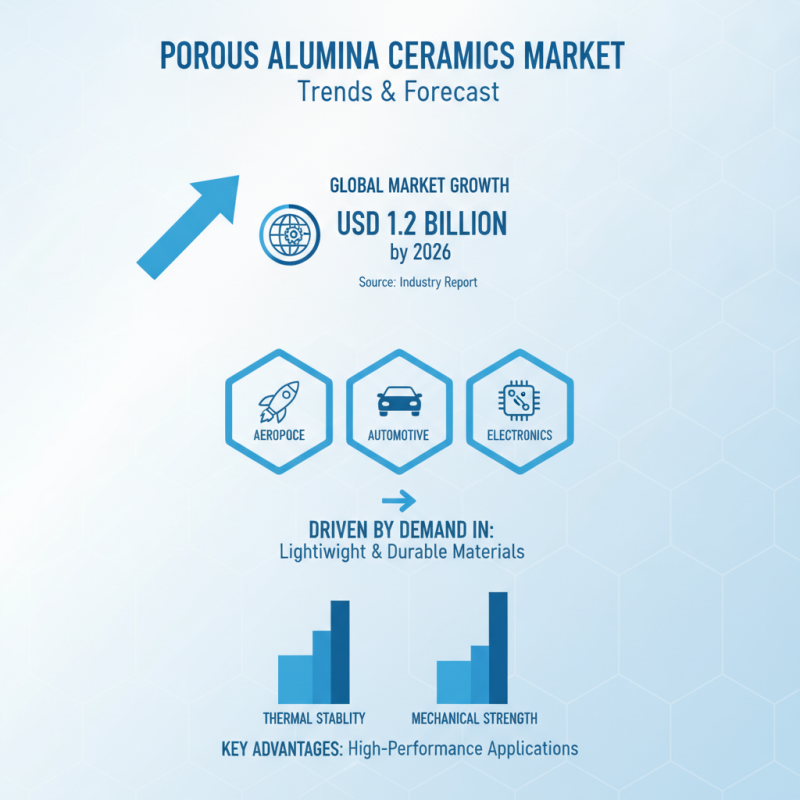
The market for porous alumina ceramics is growing significantly, driven by various industrial applications. According to a recent report, the global porous alumina ceramics market is projected to reach USD 1.2 billion by 2026. This growth is attributed to the increasing demand for lightweight and durable materials in industries such as aerospace, automotive, and electronics. These ceramics excel in thermal stability and mechanical strength, making them ideal for high-performance applications.
Tips for buyers: When considering porous alumina ceramics, focus on the material's porosity and density. Higher porosity can improve thermal efficiency, while controlled density ensures added strength. Understanding these properties can enhance product performance in your specific application.
Interestingly, the market faces challenges, such as fluctuating raw material costs and the need for more innovative production techniques. Manufacturers are investing in R&D to overcome these hurdles. The development of advanced porous alumina ceramics with tailored porosity levels is a key trend. Enhanced analysis of thermal and mechanical properties in production processes is becoming essential for maintaining quality.
Be cautious with suppliers. Not all offer the same level of expertise. A thorough evaluation of their past projects and technical support is vital for ensuring reliable partnerships.
Top Global Suppliers and Manufacturers of Porous Alumina Products
The market for porous alumina ceramics continues to grow, driven by their unique properties. These materials are known for their high porosity and mechanical strength, making them valuable in various applications, including filtration and catalysis. According to recent industry reports, the global porous alumina market is projected to expand at a compound annual growth rate (CAGR) of approximately 5.4% from 2022 to 2027. This growth indicates a strong demand for innovative ceramic solutions.
Top suppliers of porous alumina products play a crucial role in this market. They provide essential components for industries such as automotive, aerospace, and biomedical. Many of these suppliers prioritize advanced technology and quality assurance in their manufacturing processes. Industry insights suggest that there is a significant variation in material quality and production techniques among manufacturers. This inconsistency can lead to challenges for buyers seeking reliable products.
The competitive landscape also reflects a mix of established companies and emerging players. Some manufacturers focus on customized solutions tailored to specific client needs. However, the reliance on a select few suppliers raises concerns about over-dependence and supply chain risks. Buyers are encouraged to conduct thorough research and engage with multiple suppliers to ensure they find the right fit for their requirements. This approach can help mitigate potential pitfalls in sourcing porous alumina ceramics.
2026 Top Porous Alumina Ceramics for Global Buyers
| Supplier Location |
Annual Production (Tons) |
Main Application Areas |
Quality Certifications |
Average Price (USD/kg) |
| North America |
5000 |
Aerospace, Electronics |
ISO 9001, ASTM |
15 |
| Europe |
7000 |
Automotive, Medical |
CE, RoHS |
18 |
| Asia |
8000 |
Construction, Electronics |
ISO 14001, OHSAS 18001 |
12 |
| South America |
3000 |
Construction, Ceramics |
ISO 9001 |
20 |
| Africa |
2000 |
Energy, Filtration |
ISO 45001 |
25 |