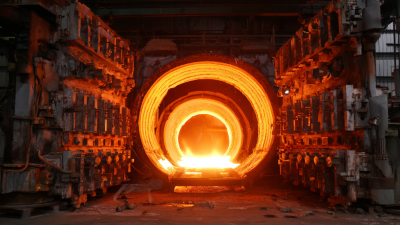
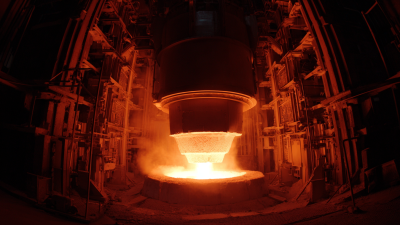
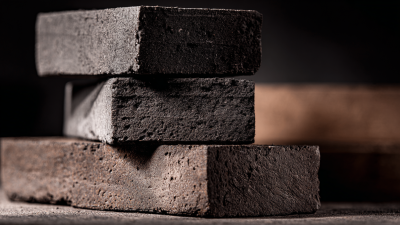
The Corundum Mullite Plate stands out in various industrial applications. It is durable and resistant to high temperatures, making it suitable for harsh environments. Its unique composition provides strength and stability, important for many sectors.
In industries like metallurgy and ceramics, the Corundum Mullite Plate offers impressive benefits. It enhances production efficiency and reduces maintenance costs. Many companies have started exploring its advantages, yet some remain hesitant. They worry about initial investment or understanding its applications.
Adopting the Corundum Mullite Plate can lead to better performance and longevity in products. However, users must fully grasp its properties and limitations. This material is not a one-size-fits-all solution, and deeper reflection on its role is necessary. Balancing cost and benefits is crucial in the decision-making process.
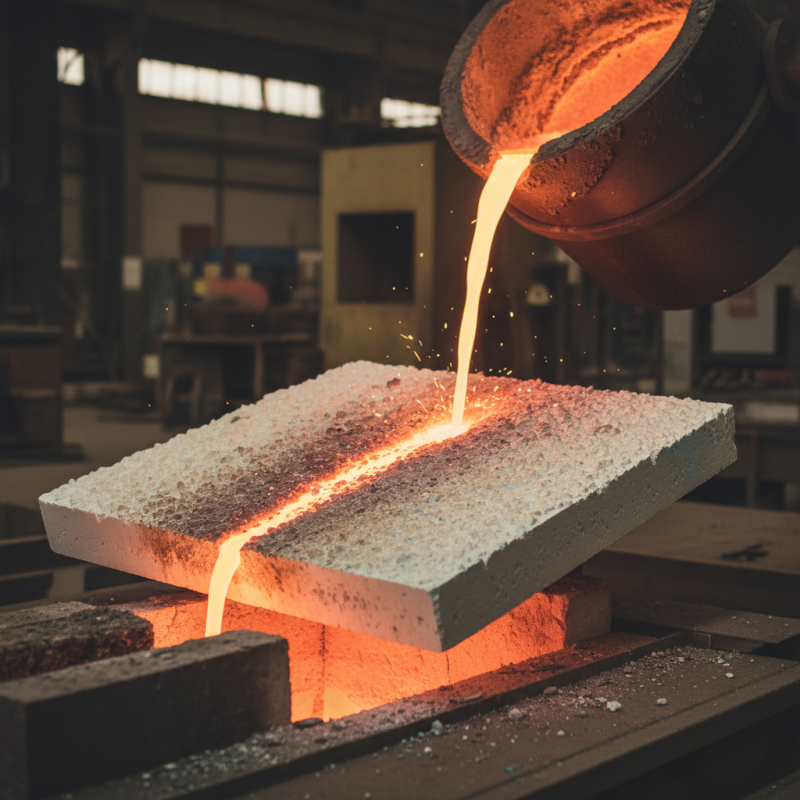
Corundum mullite plates are highly valued in high-temperature environments. Their exceptional thermal stability makes them ideal for such applications. These plates can withstand extreme temperatures without deforming. This quality is crucial in industries that require reliability under heat stress.
In addition to thermal resilience, corundum mullite plates offer impressive chemical resistance. They do not easily react with corrosive substances. This chemical inertness allows them to maintain integrity in harsh processing conditions. However, it is essential to consider the cost of these advanced materials. Investing in them might strain budgets, especially for smaller operations.
Another important aspect is the weight of these plates. Their density can present handling challenges during installation. Industries may need to prepare for additional labor costs. Despite these challenges, the benefits often outweigh the downsides. Corundum mullite plates continue to prove their worth in demanding applications.
| Benefit | Description | Applications |
|---|---|---|
| High Thermal Stability | Corundum mullite plates can withstand extreme temperatures without degrading. | Furnaces, kilns, industrial heaters |
| Chemical Resistance | Resistant to various corrosive chemicals found in industrial processes. | Chemical processing plants, steel manufacturing |
| Low Thermal Conductivity | Acts as an effective insulator, reducing heat loss. | Insulation applications in high-temp settings |
| High Mechanical Strength | Offers strong performance under mechanical stress and strain. | Refractories, structural components in kilns |
| Versatility | Suitable for a variety of industrial applications due to its properties. | Used in ceramics, metallurgy, and glass industries |
| Low Porosity | Minimizes absorption of liquids and gases, ensuring durability. | Used in applications exposed to liquids and gases |
| Cost-Effective | Long lifespan leads to reduced overall operational costs. | Manufacturing processes where longevity is crucial |
| Ease of Fabrication | Can be easily shaped and machined according to application needs. | Custom components for specific industries |
| Environmental Stability | Maintains properties across varying environmental conditions. | Outdoor applications and variable climates |
| Non-Toxic | Does not release harmful substances during use, ensuring safety. | Food processing and pharmaceutical applications |
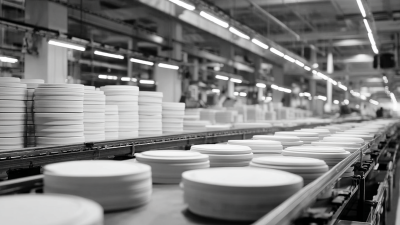
Corundum mullite plates have gained popularity in industrial applications due to their enhanced mechanical strength. This unique material combines the properties of corundum and mullite, resulting in excellent durability and resistance to high temperatures. Industries such as aerospace and manufacturing benefit significantly from these properties.
The mechanical strength of corundum mullite plates makes them ideal for handling heavy loads. They withstand impacts that would damage other materials. Heavy machinery often relies on these plates. They reduce the risk of failure during operation. However, some may find the material challenging to source sustainably.
In rigorous environments, the performance of corundum mullite plates is vital. They maintain stability and integrity over time. Yet, the need for precise manufacturing processes is crucial. Any imperfections can lead to subpar performance. Ensuring quality control remains essential. Balancing cost and performance can be a challenge in implementing these plates.
Corundum mullite plates are gaining popularity in various industrial applications. Their thermal resistance properties stand out, making them ideal for high-temperature environments. Reports show that these plates can withstand temperatures exceeding 1600°C. This high thermal stability minimizes the risk of thermal shock and enhances performance.
In industries such as ceramics and steel manufacturing, the ability to resist thermal gradients is crucial. Corundum mullite plates exhibit low thermal conductivity, which retains desired temperatures while preventing heat loss. For instance, their thermal conductivity measures around 2.7 W/mK. This is significantly lower compared to other materials. Consequently, energy efficiency improves, translating to lower operational costs.
However, not all corundum mullite plates are created equal. Variability in their composition can influence performance. Industries often face challenges related to quality control. Some plates may show weak points under extreme conditions. It’s essential to select the right grade for specific applications. Testing and quality assurance become vital in ensuring reliability and longevity. Even with advancements, manufacturers must continually evaluate their products.
Corundum mullite plates offer significant advantages in industrial manufacturing. They are known for their high durability and thermal stability. This makes them popular in high-temperature environments. These plates withstand thermal shock better than many alternatives. As a result, they reduce maintenance costs and downtime, making operations more efficient.
When considering cost-effectiveness, corundum mullite plates shine. They require less frequent replacements. This leads to lower long-term expenses. Using these materials can decrease operational costs significantly. However, organizations must ensure they are properly installed to maximize benefits. Poor installation could lead to performance issues.
Tip: Always invest in training for your staff on proper installation techniques. Missteps here can negate cost advantages. Additionally, monitor performance regularly. This helps catch any early signs of wear. Another point to consider is the environment. Like any material, misuse can lead to wasted resources. Be mindful to ensure optimal usage.
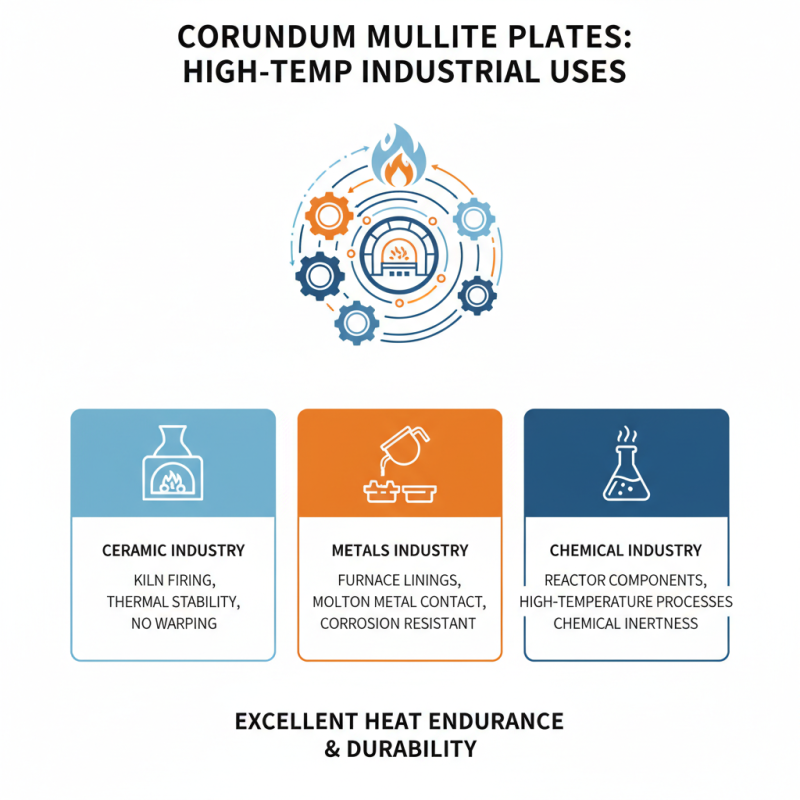
Corundum mullite plates are gaining popularity across various industries. Their unique properties make them suitable for high-temperature environments. In the ceramic industry, these plates provide excellent thermal stability. They can withstand extreme heat without warping. This is crucial for processes like kiln firing. The ability to endure such conditions ensures product quality.
In the metalworking sector, corundum mullite plates serve as reliable insulating materials. They help reduce energy consumption. By maintaining consistent temperatures, these plates enhance efficiency. In glass manufacturing, they offer superior resistance to thermal shock. This durability helps prevent breakage during rapid temperature changes.
However, there are challenges in implementing corundum mullite plates. The initial cost can be a deterrent for some businesses. Furthermore, sourcing high-quality materials may vary by region. It requires careful consideration. Each application demands specific characteristics, which may complicate the selection process. While the benefits are clear, awareness of potential drawbacks is essential for decision-making.