Best Ceramic Saggar Options for Global Buyers?
In the world of ceramics, the choice of a Ceramic Saggar plays a crucial role in the firing process. According to a report by the International Ceramic Association, the demand for saggars has increased by 25% in the last five years. This surge highlights the growing recognition of quality saggars in producing superior ceramic pieces. Industry expert Dr. Emily Morgan emphasizes, “The right Ceramic Saggar can significantly enhance the aesthetic and structural integrity of the final product.”
Choosing the best Ceramic Saggar involves not only understanding materials but also the firing techniques used. Makers often experiment with different types, but many overlook the long-term benefits associated with high-quality options. A well-crafted saggar can provide better thermal insulation and reduce the risk of faults during firing.
However, navigating the market can be daunting. Many buyers face confusion due to the plethora of options available. This uncertainty can lead to poor purchasing decisions. In this rapidly evolving field, staying updated with trends and expert recommendations is essential for global buyers aiming for excellence in ceramic production.
Understanding Ceramic Saggar: Definition and Purpose
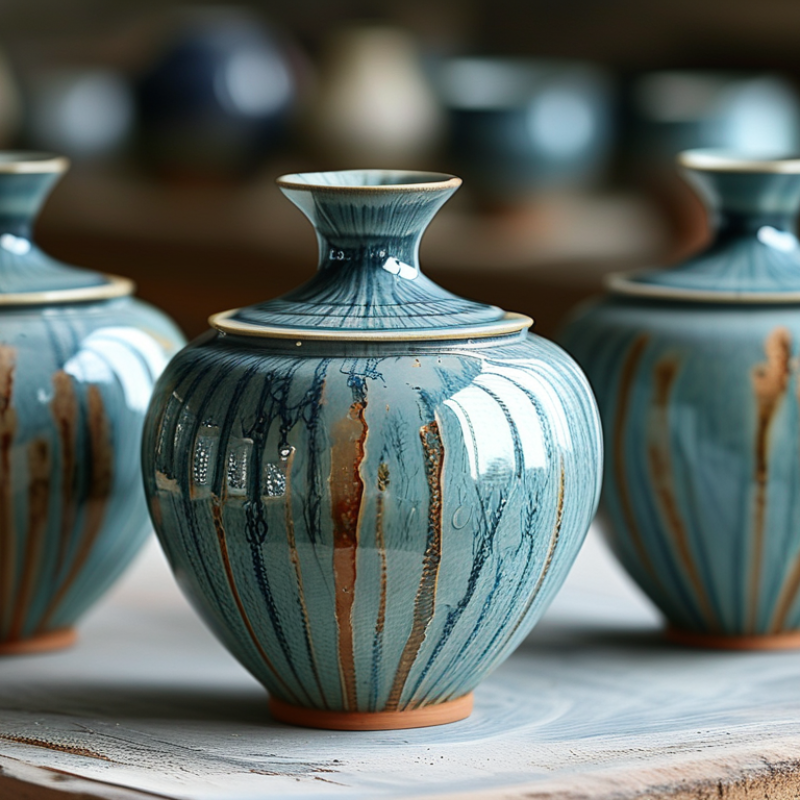
Ceramic saggar refers to a protective container used in firing ceramics. It serves as a shield during the kiln process. The primary purpose of a saggar is to prevent contaminants from affecting the surface of the ceramic pieces. This is especially important in reduction firing, where specific atmospheres are needed. A saggar can also enhance the visual effects of the finished piece.
Using a saggar can lead to unpredictable results. Each firing brings unique changes. The material of the saggar itself can impart subtle color variations. It often reflects the kiln’s atmosphere and the firing style. Artists cherish these qualities, but they also invite uncertainty into the creation process. Each artwork varies in success, prompting reflection on technique and material choice.
Selecting a saggar involves understanding your specific needs. The type of clay and glaze plays a crucial role. Consider weight, shape, and size. These aspects can influence the outcome of the ceramics. Artists often learn through trial and error. Experimentation can be rewarding but also challenging. The journey of using a saggar is as important as the final piece.
Types of Ceramic Saggars Available in Global Markets
Ceramic saggars are essential tools in pottery, providing protection during the firing process. They come in various types suitable for different firing techniques. Traditionally, ceramic saggars were made from clay, but today, they are available in ceramic materials that withstand high temperatures. These innovative designs enhance durability and thermal resistance.
In global markets, saggars are categorized mainly by shape and size. For instance, round saggars are preferred for cylindrical pieces, while square ones cater to flat tiles. Data from industry reports highlight that the global ceramic market is expected to grow at a rate of 5.6% each year, indicating a consistent demand for quality pottery tools, including saggars. Larger saggars can accommodate multiple items at once, optimizing workspace in studios.
Despite their advantages, selecting the right saggar can be challenging. Saggars must align with specific firing methods, such as stoneware or porcelain. Not all saggars perform equally under varied conditions. Some may crack under intense heat or not provide adequate support. Potters must consider their firing atmosphere carefully, striving for balance in performance and durability. Each choice involves weighing factors like clay composition and kiln settings, highlighting the intricacies of this craft.
Best Ceramic Saggar Options in Global Markets
This chart displays the global market demand for different types of ceramic saggars in units sold (in thousands). Traditional saggars remain the most sought after, while electric and natural saggars also have notable demand.
Factors to Consider When Choosing a Ceramic Saggar
When selecting a ceramic saggar, several critical factors come into play. The size and shape of the saggar can significantly affect the outcome of your pieces. A larger saggar allows for more experimentation with materials. You can create unique atmospheric effects. However, a smaller saggar might limit your options.
Material choice is essential too. The type of clay used in the saggar influences its heat resistance and results. Stoneware is a popular choice for its durability, while earthenware offers a distinct aesthetic. The firing technique you plan to use should guide your material selection.
Another important consideration is the design of the saggar. Holes for ventilation can promote better airflow. This affects how gases circulate inside. Yet, too many holes might lead to unwanted oxidation. Always consider your specific artistic goals. Reflect on your desired outcomes and adjust your choices accordingly to achieve them.
Top Brands and Manufacturers of Ceramic Saggars Worldwide
When exploring the market for ceramic saggars, it's essential to consider various brands and manufacturers. The ceramic industry has seen significant growth, with a report from Market Research Future indicating a CAGR of 4.5% through 2027. This growth reflects expanding demand from artists and potters worldwide. Companies that specialize in ceramic saggars often integrate traditional techniques with innovative materials, enhancing the quality and durability of their products.
Notably, many manufacturers focus on sourcing high-quality clays, with some researchers suggesting that the composition of clay dramatically impacts the final product. For instance, the right mix of silica and alumina can affect thermal shock resistance. This specific knowledge often sets the leading brands apart. Additionally, some brands are now prioritizing sustainable practices in their production processes. Yet, the challenge remains in ensuring these practices don’t compromise the artistic qualities that users highly value.
Choosing the right saggar involves more than just selecting a popular brand. Users must consider firing methods and how the saggar interacts with different glazes. Many potters report varying results, indicating that trial and error play a critical role in achieving desired outcomes. The landscape of ceramic saggars is diverse, making it both exciting and challenging for global buyers to navigate.
Maintenance and Care Tips for Long-lasting Ceramic Saggars
Ceramic saggars are essential for protecting pottery during firing. However, maintaining these items can often be overlooked. Proper care is crucial for their longevity. To start, clean the saggar after each use. Use a soft brush to remove any residual clay or ash. This step prevents buildup, which can affect future firings.
Avoid exposing your ceramic saggar to sudden temperature changes. Gradual heating and cooling are important. Rapid changes can cause cracking. Store the saggar in a safe place where it won’t get knocked over. Fragile items like these require gentle handling. It's also wise to assess the condition of your saggar regularly. Look for any signs of wear or damage. Small cracks may seem harmless, but they can lead to larger problems.
Safety is another key aspect. Always wear protective gear when handling or cleaning. Dust from ceramic materials can be harmful if inhaled. Be mindful of your environment during use. Ensure proper ventilation in your workspace. These steps contribute to safer and more effective pottery practices. Remember, taking the time to care for your ceramic saggar pays off.
Best Ceramic Saggar Options for Global Buyers - Maintenance and Care Tips for Long-lasting Ceramic Saggars
| Saggar Type |
Material |
Size (inches) |
Temperature Resistance (°F) |
Care Tips |
| Traditional Saggar |
Stoneware |
10 x 10 |
2400 |
Avoid sudden temperature changes |
| Raku Saggar |
Ceramic |
8 x 8 |
2000 |
Clean with damp sponge; do not soak |
| Electric Saggar |
Porcelain |
12 x 12 |
2300 |
Store in a cool, dry place |
| Specialty Saggar |
Fireclay |
15 x 10 |
2600 |
Regularly inspect for cracks |