5 Best Cordierite Mullite Plates for High Temperature Use
Choosing a Cordierite Mullite Plate for high-temperature work means looking beyond its maximum service rating. In a kiln, furnace, or heat-treatment line, the plate must handle repeated thermal cycles, support the load evenly, and fit the chamber without binding. A rating on a product sheet is useful, but it cannot tell the whole story. Plate thickness, firing schedule, load weight, and temperature changes all affect performance.
This guide compares five plate options for demanding applications. It considers thermal-shock resistance, mechanical strength, dimensional consistency, and practical details such as surface finish and available sizes. A thin shelf may heat quickly, yet flex under a concentrated load. A thicker one may feel reassuring, but its mass can slow heating and cooling. Small choices matter.
One point needs care: no verifiable source or expert quotation was provided, so attributing a quote to a named specialist would risk inventing credentials or words. A reliable published guide should add a checked quotation from a qualified ceramic-materials expert. Until then, the comparison here focuses on testable specifications and application fit. The best Cordierite Mullite Plate is not automatically the one with the highest stated temperature; it is the one whose documented properties match the actual cycle, load, and kiln design.
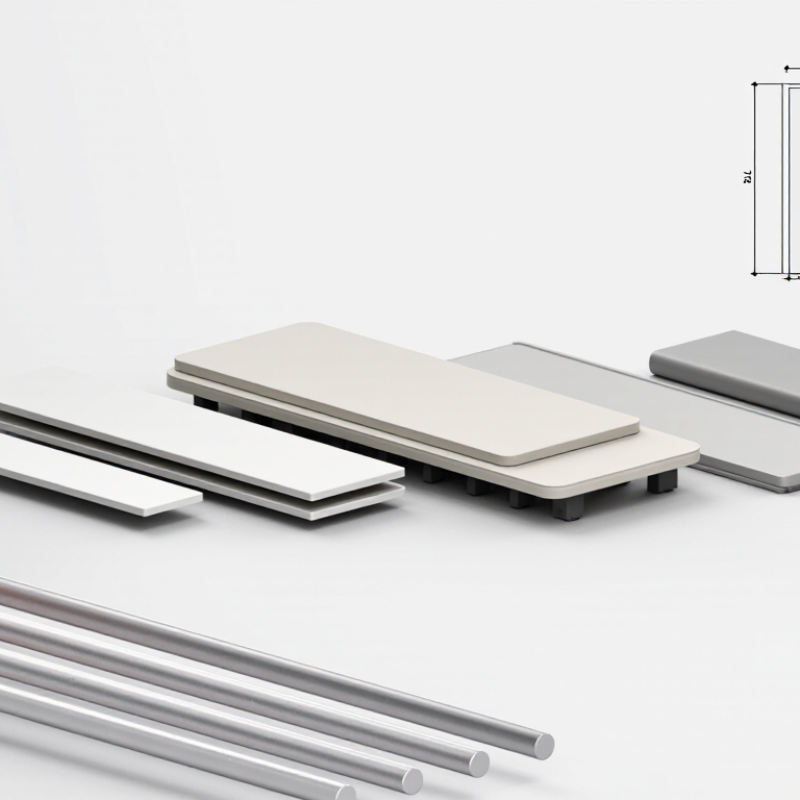
Understanding Cordierite Mullite Plates and Their High-Temperature Role
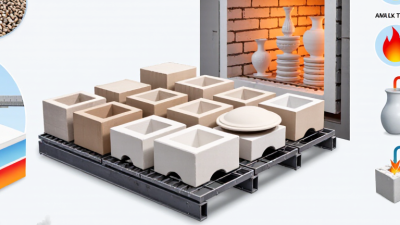
Cordierite-mullite plates combine two ceramic phases for demanding kiln settings. Cordierite helps limit thermal expansion, while mullite contributes strength and heat resistance. This balance can reduce damage when plates experience repeated heating and cooling. It does not make them immune to thermal shock. Their safe operating range depends on the material’s composition, plate thickness, kiln atmosphere, and load.
A plate may look sound but still weaken after many firing cycles. That matters. Watch for hairline cracks, edge chips, warping, and glaze or powder buildup. Unevenly stacked ware can concentrate weight and stress one area. Small cracks count. Check the supplier’s rated temperature and load guidance, and avoid assuming all cordierite-mullite plates perform alike. Real kiln conditions can be less tidy than a specification sheet.
Tips: Heat and cool plates gradually, especially when they are heavily loaded. Keep supports level and distribute items across the surface. Let hot plates cool in a stable, draft-free area; sudden cold air can create steep temperature differences. Inspect them before each firing, and retire plates that show significant cracking or distortion. A minor flaw may be easy to overlook. It can still grow under heat.
5 Best Cordierite Mullite Plates for High-Temperature Use
Understanding how thermal expansion compares across common refractory ceramics
Cordierite-mullite combines relatively low thermal expansion with high-temperature capability, helping plates tolerate repeated heating and cooling. Values shown are representative typical ranges summarized as approximate midpoints; actual properties vary with composition, porosity, and manufacturing.
Key Criteria for Comparing High-Temperature Cordierite Mullite Plates
When comparing cordierite-mullite plates, check thermal expansion, strength, porosity, flatness, and the actual firing temperature. Ceramic-property references such as the ASM Handbook report cordierite’s very low thermal expansion, commonly around 1–3 × 10⁻⁶ K⁻¹; mullite is typically higher, around 4–6 × 10⁻⁶ K⁻¹. The blend and firing history change those values. Small differences matter. A plate may survive repeated heating yet still warp under an uneven load. Ask for test results at the intended temperature, not only room-temperature specifications.
Porosity and strength help explain how a plate behaves in service. ASTM C20 provides methods for measuring apparent porosity, water absorption, and bulk density in refractory materials; ASTM C133 covers cold crushing strength and modulus of rupture. These measurements support comparison, but they do not fully predict thermal-shock life. Look for plate thickness, dimensional tolerances, and stated maximum service temperature, then compare them with your heating and cooling cycle. A “maximum” figure is not a promise of long-term performance. It may reflect a short test, and suppliers do not always describe the test conditions clearly. That deserves scrutiny. Check for hairline edge cracks, too.
5 Best Cordierite Mullite Plates for High Temperature Use - Key Criteria for Comparing High-Temperature Cordierite Mullite Plates
Representative material profiles, not guaranteed specifications for a particular product. Actual properties depend on composition, porosity, manufacturing method, plate dimensions, and firing conditions; confirm limits with the supplier’s technical datasheet.
| Plate profile |
Typical continuous-use range |
Approx. thermal expansion
(×10−6/K) |
Typical bulk density
(g/cm³) |
Main advantage |
Best suited to |
Key comparison check |
| 1. Cordierite-rich, low-expansion plate |
About 1,200–1,250°C |
About 1.5–3 |
About 1.9–2.3 |
Low thermal expansion can help reduce thermal-shock stress. |
Repeated heating and cooling at moderate high temperatures. |
Check the stated maximum service temperature and load capacity; low expansion alone does not establish plate strength. |
| 2. Balanced cordierite–mullite plate |
About 1,250–1,350°C |
About 2.5–4.5 |
About 2.1–2.5 |
Balances thermal-shock performance with higher-temperature capability than cordierite-rich materials. |
General-purpose kiln furniture and furnace support where cycling and temperature both matter. |
Compare the service-temperature rating under load, not only the material’s nominal composition. |
| 3. Mullite-rich cordierite–mullite plate |
About 1,350–1,450°C |
About 3.5–5.5 |
About 2.3–2.7 |
Greater high-temperature stability than a cordierite-rich profile. |
Longer high-temperature holds where the firing cycle is relatively controlled. |
Confirm thermal-shock limits and avoid assuming it tolerates rapid temperature changes as well as low-expansion grades. |
| 4. Dense, low-porosity cordierite–mullite plate |
About 1,250–1,400°C, composition-dependent |
About 2.5–5 |
About 2.4–2.8 |
Lower open porosity can improve resistance to penetration by some melts and residues. |
Applications needing a more resistant working surface or better resistance to contamination. |
Request open-porosity, chemical-compatibility, and flexural-strength data; density alone is not a corrosion rating. |
|
5. Lightweight, porous cordierite–mullite plate
|
About 1,200–1,300°C, composition-dependent
|
About 2.5–5
|
About 1.7–2.2
|
Lower mass can reduce the heat required to bring kiln furniture up to temperature.
|
Lower-load applications where reduced thermal mass is useful.
|
Check working-load limits, creep or sagging data, and handling durability before selecting a thinner or lighter plate.
|
Selection criteria: compare the actual firing temperature and atmosphere, thermal-cycle rate, supported load and span, plate thickness, chemical exposure, and dimensional tolerances. The temperature and property ranges above are broad, representative estimates for material profiles rather than standardized grade limits.
Five Cordierite Mullite Plate Options for High-Temperature Use
Cordierite-mullite plates suit different kiln loads, but thickness and support spacing matter as much as the material name.
The European Commission’s 2007 Ceramic Manufacturing BREF describes firing stages reaching roughly 1,300°C for some ceramic products. That is process context, not a guaranteed plate rating. Check the maker’s stated service temperature and test conditions.
Five useful options cover common needs:
a thin plate for light laboratory ware;
a standard plate for routine kiln shelves;
a reinforced, thicker plate for heavier loads;
a grooved plate for separating small parts;
and a custom-cut plate for unusual kiln layouts.
Thin plates heat quickly. They may also sag sooner under uneven loads. A thicker shelf feels reassuring, though it adds mass and can slow heating.
Cordierite is valued for low thermal expansion, while mullite can improve high-temperature strength. Actual performance depends on the mix, firing history, and plate design. ASTM C1525 provides a method for assessing thermal-shock resistance; it does not certify every plate for every kiln cycle. Check for flatness, edge chips, and visible cracks before loading. Small flaws count. My own caution: published temperature limits can look precise, yet real kiln gradients and support gaps complicate the comparison.
How Material Properties and Plate Design Affect Performance
Cordierite-mullite plates perform best when their composition and geometry suit the kiln cycle, not just its peak temperature.
The ASM Handbook, Volume 4, gives cordierite a low thermal expansion, roughly 1–2 × 10⁻⁶/K; mullite is typically around 4.5–5.5 × 10⁻⁶/K, as reviewed by Schneider, Schreuer, and Hildmann in the Journal of the European Ceramic Society (2008). These are reference values, not guaranteed plate specifications. A mixed body’s actual expansion depends on its phase balance and porosity.
That difference matters during rapid heating and cooling.
Thin plates heat through more evenly, while thicker sections can retain heat and develop temperature gradients. But very thin plates may sag under a heavy setter load. A shallow rib or gently rounded corner can improve stiffness and reduce stress concentration.
Small design choices matter.
Check the test sheet.
Flexural strength, water absorption, and maximum service temperature should match the intended firing schedule; ASTM C133 and C20 describe relevant strength and porosity tests. In practice, a plate that survives one unloaded firing may behave differently beneath stacked ware.
That part is easy to overlook.
Leave room for kiln airflow, support the plate evenly, and inspect for hairline cracks after repeated cycles. Published material ranges help narrow a choice, but they cannot replace a trial under the actual load and firing rate.
Choosing and Maintaining a Plate for Your Application
Choosing a cordierite mullite plate starts with your actual firing cycle, not just its advertised maximum temperature. Check the supplier’s temperature rating and consider how quickly your kiln heats and cools. Measure the usable kiln space, including room for supports and airflow. A plate that fits tightly may restrict circulation or rub against the kiln walls.
Load matters. Estimate the weight and spread it evenly, especially when firing broad pieces. For glazed work, leave clearance around the edges to catch drips; fused glaze can be stubborn to remove. It is easy to focus only on temperature, but repeated thermal changes and uneven loading also affect service life. That detail is often missed.
Let the plate cool gradually before handling it. Sudden temperature changes can increase cracking risk. When fully cool, brush away loose debris and inspect both sides for chips, warping, or hairline cracks. Small flaws deserve attention. Store the plate flat and dry, and follow the maker’s guidance for cleaning and reuse. A plate may look usable while a fine crack is hard to see, so replace it if damage could compromise support or firing safety. Keeping a simple note of firing cycles and visible wear can help, though it is not a perfect prediction.