Best Kiln Furniture Types for Your Ceramic Needs?
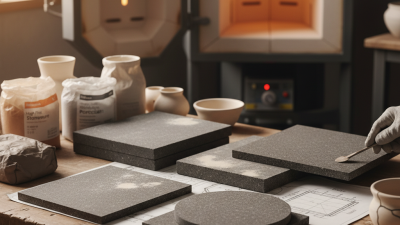
When it comes to ceramic firing, selecting the right kiln furniture is crucial. Kiln furniture includes shelves, posts, and supports that bear the weight of your ceramics. These pieces can significantly impact your work's final quality. Using unreliable furniture can lead to warping and uneven firing.
Choosing the best kiln furniture requires understanding your specific needs. Different types serve various purposes, whether for small tiles or large sculptures. Materials matter too. Some may offer better heat resistance, while others might be more affordable. However, not all furniture withstands high heat. Some might buckle under pressure.
Reflecting on past firings can reveal lessons. Have you experienced issues with your kiln furniture? Perhaps the support wasn't stable, or the shelves tilted. Learning from these mistakes can lead to better decisions in the future. The right kiln furniture can enhance your artistic outcomes and ensure greater success in your ceramic endeavors.
Types of Kiln Furniture: An Overview for Ceramics
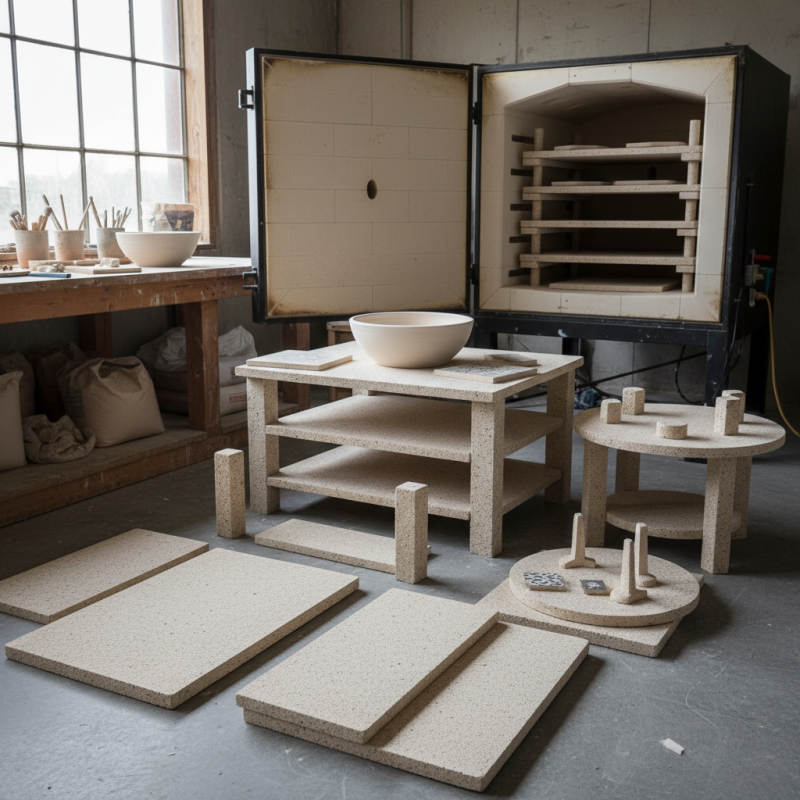
Kiln furniture plays a critical role in the ceramics firing process. It refers to the supports and shelves used to hold ceramic pieces. These items come in various materials, each serving a unique purpose. Typically, kiln furniture includes shelves, posts, and kiln wash. The right type can significantly influence the final results of your work.
When choosing kiln furniture, consider your clay type and firing temperature. Some materials withstand higher temperatures better than others. For instance, cordierite shelves are popular due to their strength and thermal shock resistance. On the other hand, some ceramicists may find that using thin shelves saves space but requires careful handling. Each choice has its own set of pros and cons.
It's important to reflect on your past experiences. Did that particular shelf warp during the firing? Was the kiln wash more of a hassle than help? These observations can guide future choices. Experimentation can lead to unexpected results. Sometimes, the best insights come from failures. Adjustments can lead to improved outcomes. Kiln furniture may seem trivial, but it warrants a thoughtful approach for better ceramics.
Factors to Consider When Choosing Kiln Furniture
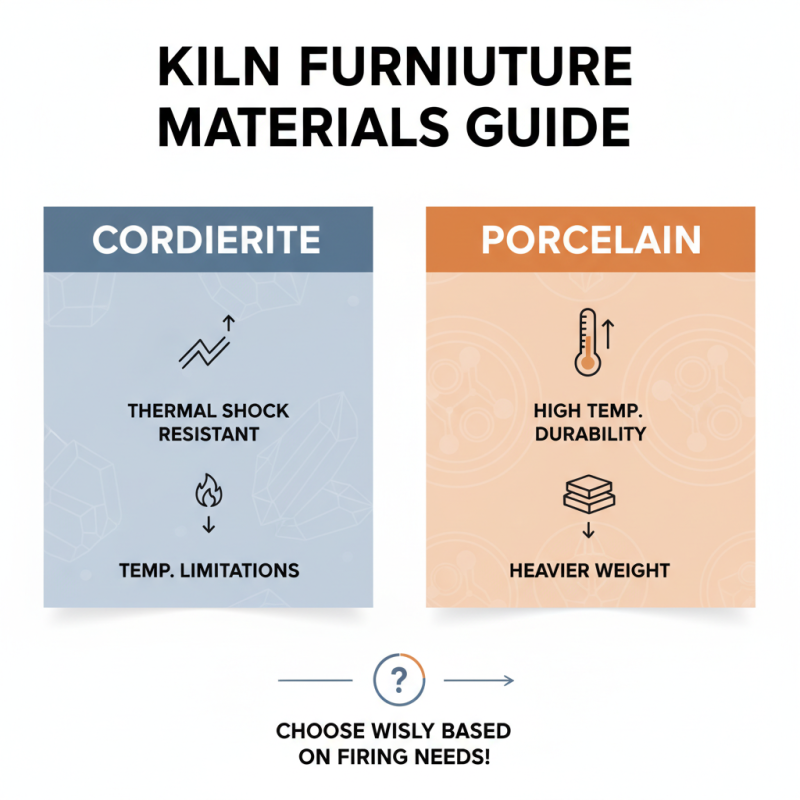
When choosing kiln furniture, consider the materials used. Different types of materials offer varying levels of heat resistance and durability. For instance, cordierite is popular due to its thermal shock resistance. However, it may not be suitable for all firing temperatures. Porcelain is another option, known for its ability to withstand high temperatures, but it can be heavier.
The size and shape of the kiln furniture also matter. Ensure they fit well within your kiln's dimensions. Overcrowding can lead to uneven firings. It’s essential to test how your pieces align with the furniture. Some potters prefer flat shelves, while others like using posts for added stability.
Also, think about ease of handling. Lightweight options might be tempting, but they may break more easily. Reflect on the wear and tear over time. Your choice should balance convenience with long-term durability. Remember that trial and error can lead to better craftsmanship. Keep track of what works and what doesn’t with each firing.
Common Materials Used in Kiln Furniture Construction
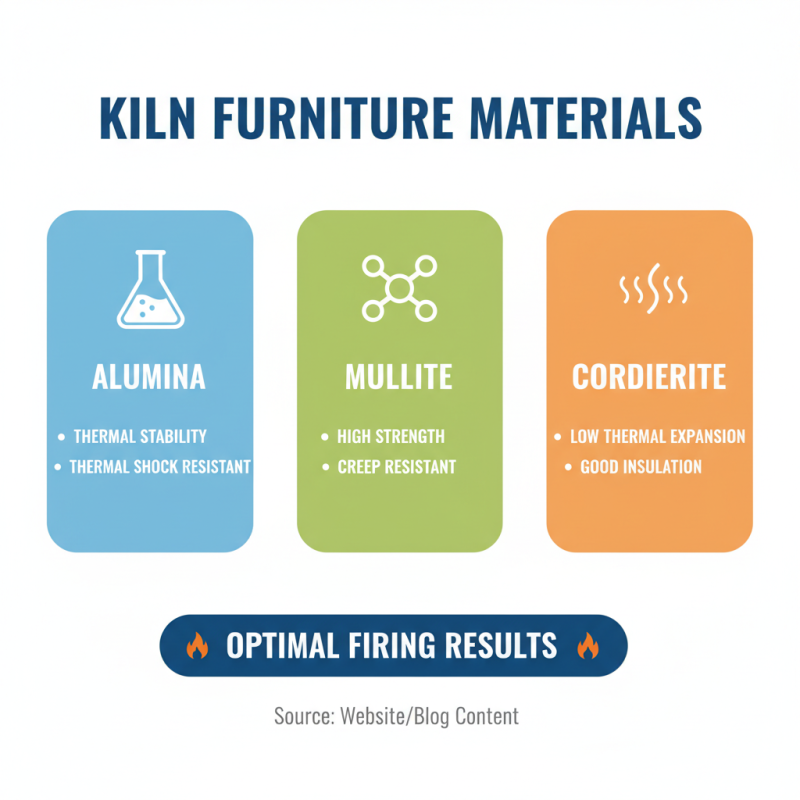
When it comes to kiln furniture, the material used plays a critical role in performance. Common materials include alumina, mullite, and cordierite. Each brings unique properties to the table. Alumina has excellent thermal stability and is resistant to thermal shock. This characteristic is vital for achieving consistent results during firing.
Mullite is another popular choice. It is lightweight and strong, providing good support for ceramic pieces. Its composition resists deformation under high temperatures. A report by the International Journal of Applied Ceramic Technology indicates that using mullite can improve durability by up to 20%. This makes it ideal for potters who require reliable support.
Cordierite remains a favorite for its thermal shock resistance and lightweight nature. While it can handle high temperatures, it may require more frequent replacement than alumina. Potters often face challenges when choosing the right type. Balancing durability with cost is a constant struggle. Understanding each material's specific benefits can lead to better decisions in kiln furniture selection.
Best Practices for Maintaining Kiln Furniture Longevity
Proper maintenance of kiln furniture significantly extends its lifespan. Over 30% of ceramic artists face issues due to neglect of their kiln shelves and supports. Regular cleaning is crucial; dust and glaze residue can weaken the surfaces. Use a soft brush to remove debris after each firing. Avoid harsh chemicals that can damage the material.
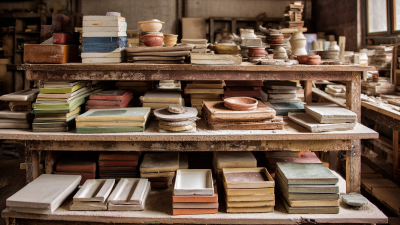
Storing kiln furniture correctly is equally important. Keeping shelves flat and not stacking them prevents warping. A study showed that up to 15% of ceramic defects stem from warped shelves. It's essential to inspect the furniture for cracks or chips regularly. Even minor damage can lead to failures in future firings.
Temperature control also plays a role in maintenance. Rapid temperature changes stress the materials. Gradual heating and cooling reduce risks of cracking. While kiln furniture can withstand high temperatures, exceeding recommended limits shortens its life. Mindful practices ensure your kiln furniture meets your ceramic needs effectively.
Best Kiln Furniture Types for Your Ceramic Needs? - Best Practices for Maintaining Kiln Furniture Longevity
| Furniture Type |
Material |
Max Temperature (°C) |
Longevity (Years) |
Maintenance Tips |
| Shelves |
Cordierite |
1260 |
5-10 |
Avoid thermal shock, clean regularly |
| Posts |
Silicon Carbide |
1500 |
10-15 |
Inspect for cracks, clean before each use |
| Kiln Sitter Plates |
Fire Clay |
1100 |
3-5 |
Store flat, avoid heavy loads |
| Wheels |
Ceramic |
1300 |
6-10 |
Regularly check for alignment, clean surfaces |
| Stands |
Steel |
800 |
10-20 |
Ensure stability, check for rust |
Comparative Analysis of Kiln Furniture Options for Different Techniques
When selecting kiln furniture for ceramics, choices matter deeply. Various materials and designs serve different techniques. For instance, shelves made from cordierite provide excellent thermal shock resistance. They can withstand high temperatures. However, they might not be suitable for all clay types.
Another option is silicon carbide kiln furniture. This type offers superior strength and durability. It holds up well under intense heat. Yet, it's often more expensive and requires careful handling. Users may find themselves needing to balance costs with performance.
Lastly, consider using alumina-based furniture. These pieces are versatile for different firing methods. They stand up to oxidation and reduction atmospheres. But they might not fit every kiln. Reflecting on these options can reveal personal preferences and specific needs in ceramic work. Selecting the right kiln furniture isn't always straightforward. Each choice carries its own set of trade-offs.
Best Kiln Furniture Types for Your Ceramic Needs