How to Choose the Right Cordierite Mullite Sagger for Your Needs?
Choosing the right Cordierite Mullite Sagger can greatly impact your kiln operations. These saggers play a crucial role in thermal stability and chemical resistance. When selecting one, consider the specific requirements of your process.
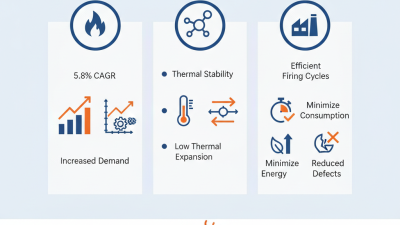
Cordierite Mullite Saggers offer unique benefits. Their low thermal expansion helps prevent cracking. This feature is vital in high-temperature environments. Additionally, they provide excellent insulation, which contributes to energy efficiency. However, not all saggers are created equal. Understanding your individual needs is essential for optimal performance.
Evaluate factors like size, shape, and heat tolerance. Each application may demand different specifications. You might find that a sagger designed for one process doesn't suit another. It’s important to remain flexible and open to adjustments. Making thoughtful choices can lead to greater productivity and longer equipment life.
Understanding the Role of Cordierite Mullite Saggers in Industries
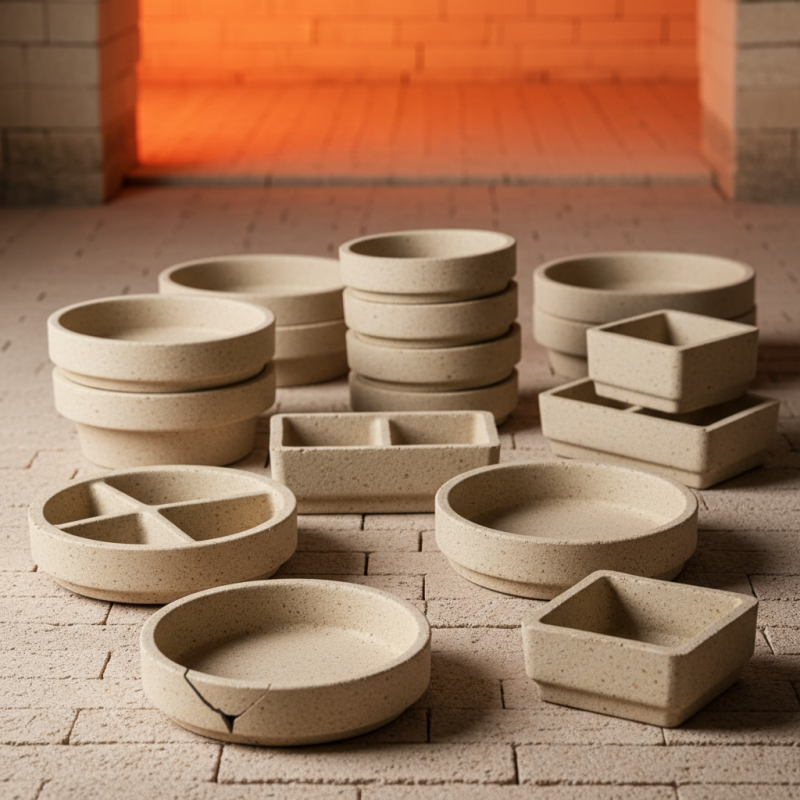
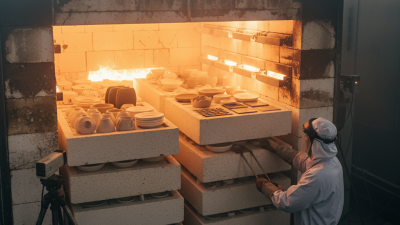
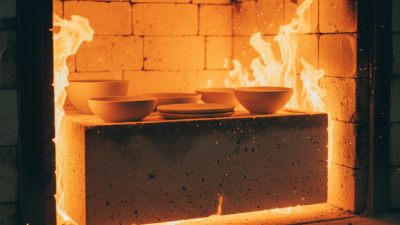
Cordierite mullite saggers play a crucial role in various industries. They are essential for supporting and protecting ceramic products during firing processes. Made from a blend of cordierite and mullite, these saggers excel in high-temperature environments. Their excellent thermal shock resistance is vital for industries such as ceramics and glass manufacturing.
In ceramics, these saggers prevent deformation of workpieces. They provide stability in kilns, ensuring that items maintain their shape. However, users must evaluate the size and design of the saggers to match specific needs. Choosing the wrong size could result in wasted materials or defects in the final product.
While cordierite mullite saggers are reliable, some challenges arise. They can be quite rigid, leading to fragility under extreme stress. Users often need to balance between strength and thermal efficiency. Understanding these nuances is key. Investing in saggers that align with production requirements can vastly improve outcomes.
Comparison of Different Types of Cordierite Mullite Saggers
This chart illustrates the thermal resistance of different types of cordierite mullite saggers, which is an important factor to consider when selecting the right sagger for various industrial applications.
Factors to Consider When Selecting Cordierite Mullite Saggers
Selecting the right cordierite mullite sagger requires careful consideration of several factors. First, evaluate the size and shape of your products. The dimensions of the sagger must accommodate your specific ware. If it's too big or small, it can lead to performance issues during firing.
Next, consider the thermal shock resistance. Cordierite mullite offers excellent properties here, but the specific formulation may vary. Research the heat tolerance suitable for your processes. Too much heat can compromise the integrity of the sagger, resulting in costly failures.
It's also essential to think about the sagger's lifespan. Higher durability often leads to reduced costs over time. However, some may compromise on durability for cost savings. This strategy can backfire, causing frequent replacements. Choosing a well-informed vendor can help you avoid these pitfalls.
Comparing Different Types of Cordierite Mullite Saggers
When selecting a cordierite mullite sagger, it is important to understand the different types available. Each type caters to specific needs and applications. The most common variants include single-layer and multi-layer saggers. Single-layer saggers are ideal for straightforward firing tasks, providing durability and heat resistance. Multi-layer options, however, offer enhanced insulation and can maintain temperature more efficiently during prolonged firing processes.
In addition, consider the size and shape of the sagger. Some designs are better for bulk loading materials. Others facilitate the arrangement of delicate items. Customization is sometimes necessary to meet specific production demands. Many users overlook this aspect, leading to inefficiencies.
Do not forget about the firing atmosphere, either. Oxidizing or reducing conditions can affect the choice of sagger. The material used in saggers interacts with various elements during firing. This interaction can impact the final product's quality. Conducting thorough testing often reveals the most suitable configuration. Understanding these nuances forms the basis for making an informed decision.
Evaluating the Thermal Properties of Cordierite Mullite Saggers
When evaluating the thermal properties of
cordierite mullite saggers, it’s vital to consider their heat resistance
and thermal shock stability. These characteristics are crucial for applications
involving high temperatures. Saggers made from cordierite mullite exhibit impressive resistance
to thermal stress, ensuring they maintain structural integrity, even under sudden temperature changes.
In addition to thermal stability, the thermal conductivity of these materials
plays a significant role. Low thermal conductivity helps minimize heat loss during firing processes.
However, some users find it challenging to determine the right balance between thermal properties
and mechanical strength. A sagger that is too fragile might experience cracking,
while one that is overly dense could lead to inefficiencies in energy use.
It is essential to test different products to see how they perform in your specific application.
Not every cordierite mullite sagger will suit your needs perfectly. Weighing their thermal properties
against your operational requirements is a process that may require adjustments and experimentation
over time. This trial and evaluation phase, while sometimes frustrating, is crucial for achieving
optimal results in thermal processing.
Maintenance and Care for Cordierite Mullite Saggers
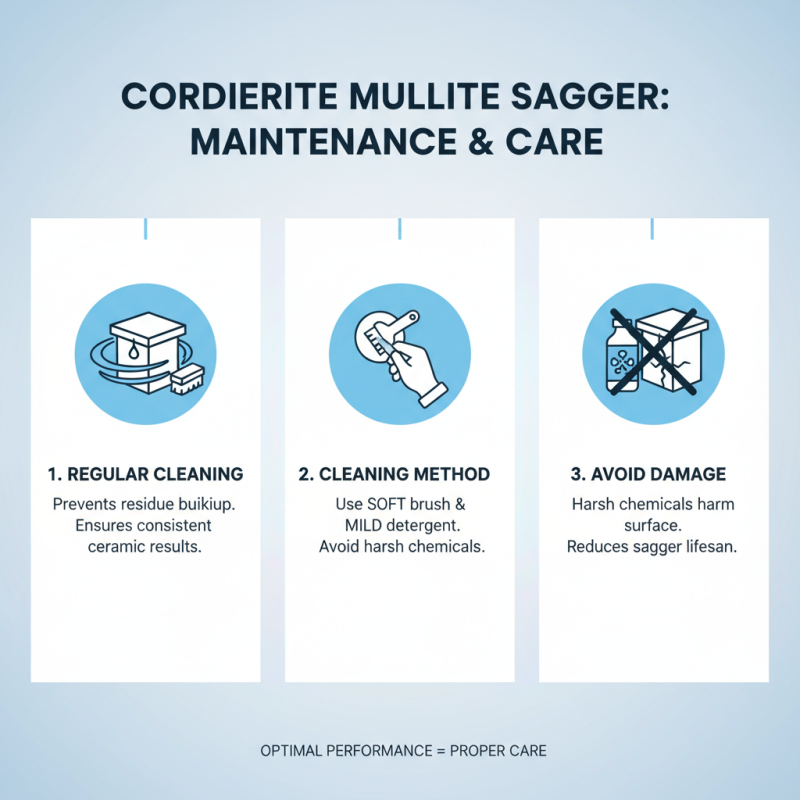
When using cordierite mullite saggers, maintenance is essential for optimal performance. Ensure that the saggers are cleaned regularly to prevent buildup of residues. Residual materials can cause defects in your ceramics, leading to inconsistent results. Use a soft brush and mild detergent for cleaning. Avoid harsh chemicals, as they can damage the surface.
Proper handling is also crucial. Always lift saggers with care to prevent chipping or cracking. During use, monitor the temperature closely, as extreme fluctuations can compromise their integrity. Remember, saggers are not invincible. Over time, they may show signs of wear.
Tips for longevity include storing saggers in a dry, stable environment. Avoid stacking them too high, which might cause pressure points, leading to cracks. Periodically inspect for any visual signs of damage. If you notice chips or cracks, consider replacing them to ensure quality. Even small imperfections can impact your final product significantly.