How to Choose the Right Corundum Mullite Sagger for Your Needs?
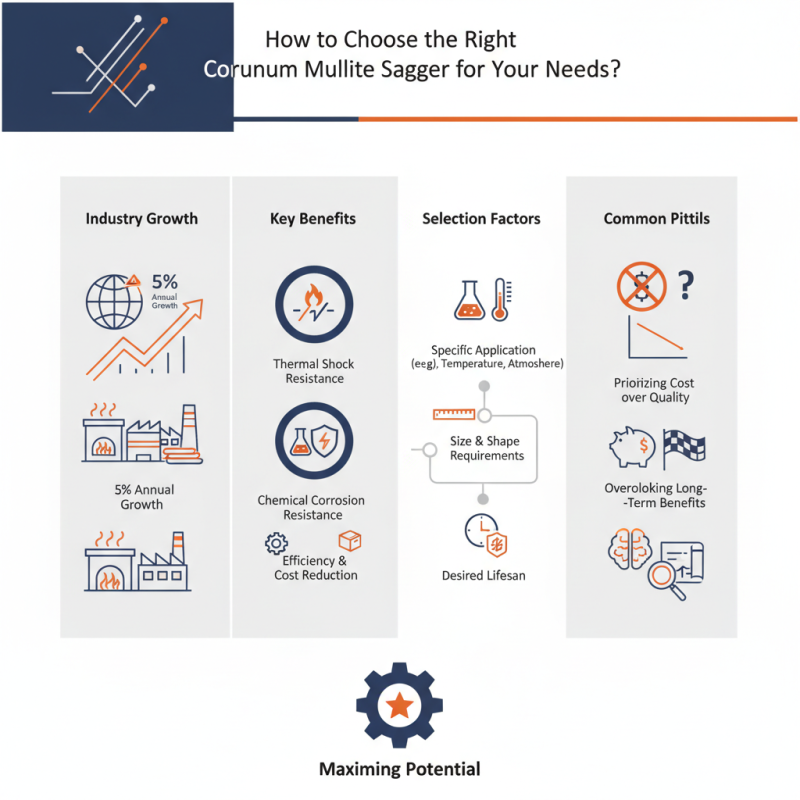
In today's ceramics and refractory industries, the choice of materials is crucial. Corundum Mullite Sagger is gaining attention for its unique properties. According to the Global Refractory Market Report, the demand for high-performance saggers is increasing by approximately 5% annually. This growth is driven by the need for better thermal stability and durability during firing processes.
Corundum Mullite Saggers offer excellent resistance to thermal shock and chemical corrosion. They are ideal for high-temperature applications. Companies that invest in quality saggers can enhance production efficiency and reduce costs. However, selecting the right sagger is not always straightforward. Many factors influence the choice, such as the specific application, size, and desired lifespan.
Some users overlook critical details in selecting a sagger. They may prioritize cost over quality, which can lead to suboptimal performance. It's important to consider long-term benefits rather than just short-term savings. A well-chosen Corundum Mullite Sagger can significantly impact product quality and operational efficiency. Thoughtful selection is key to maximizing potential in your production processes.
Understanding Corundum Mullite Sagger and Its Applications
Corundum mullite sagger is an essential product in various industries. It is made from a combination of corundum and mullite. These materials provide excellent thermal stability and resistance to chemical damage. This makes them ideal for high-temperature applications. Common uses include kiln firing and ceramic production.
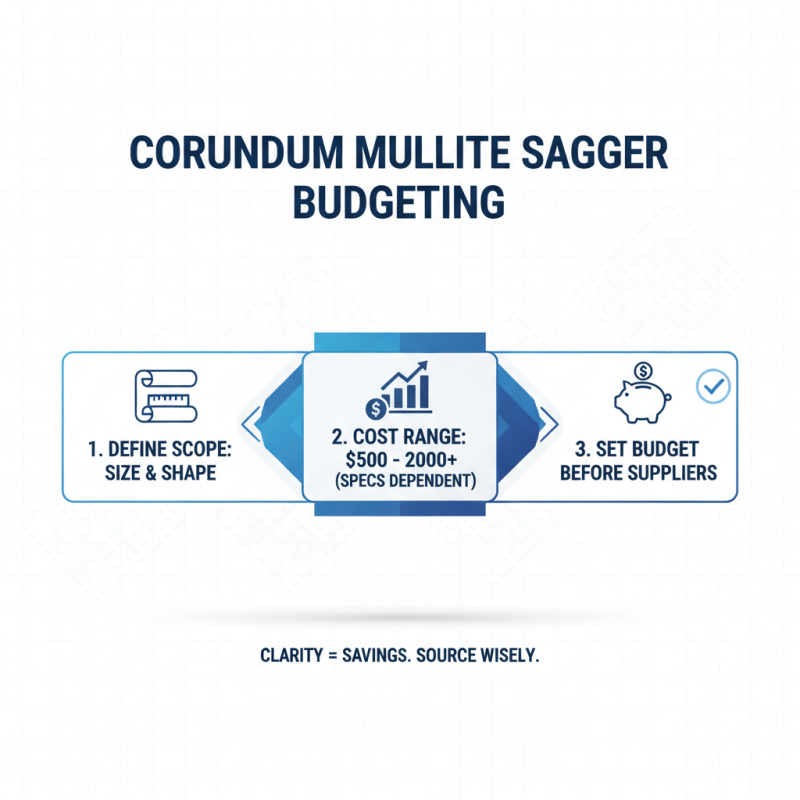
When choosing a corundum mullite sagger, consider your specific needs. Think about the operating temperature and the materials being processed. Some saggers perform better under certain conditions than others. Evaluate whether your production volume will wear down the sagger quickly. Cost is also a factor; a more expensive sagger may not always be the best choice depending on your budget.
Be aware that not all saggers are created equal. Some may have durability issues over time. Regular inspection and maintenance are required to prevent failures. It’s important to assess long-term performance rather than just initial cost. You don’t want to replace a sagger too often. This reflects a need for more thoughtful selection and planning.
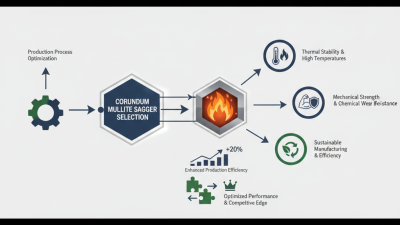
Corundum Mullite Sagger Applications and Performance Ratings
Key Factors to Consider When Choosing a Sagger
When selecting a corundum mullite sagger, several key factors should guide your choice. The material composition is crucial. Corundum and mullite provide high-temperature resistance. However, the specific needs of your process must be considered. For example, the saggers should align with the type of firing cycle used in your production.
Size and shape are also important. Different applications demand specific dimensions. Measure the items you will be placing inside the sagger. Too tight a fit can cause damage. On the other hand, too much space can lead to instability. Ensure the design meets your operational requirements, as this can affect efficiency.
Another point to reflect on is the thermal shock resistance. Different saggers handle temperature changes differently. Some may crack under stress, while others remain stable. Consider testing options under controlled conditions. This trial can reveal flaws in your initial choice. Ultimately, balancing these factors will guide you to the ideal corundum mullite sagger for your needs.
How to Choose the Right Corundum Mullite Sagger for Your Needs? - Key Factors to Consider When Choosing a Sagger
| Factor |
Description |
Importance Level |
| Material Composition |
The type of materials used in manufacturing the sagger, affecting durability and thermal resistance. |
High |
| Temperature Resistance |
Maximum temperature that the sagger can withstand without degrading. |
Critical |
| Size and Shape |
Dimensions of the sagger that need to match with your kiln and loading requirements. |
Medium |
| Porosity |
The amount of void space in the sagger material, affecting insulation properties. |
Medium |
| Weight |
The total weight of the sagger which influences handling and transportation. |
Low |
| Cost |
Overall cost considerations against performance benefits delivered by the sagger. |
High |
| Thermal Shock Resistance |
Ability to withstand rapid temperature changes without cracking. |
Critical |
Comparing Different Types of Corundum Mullite Saggers
When selecting corundum mullite saggers, it's crucial to understand the different types. There are a variety of materials used in their construction. Some saggers are designed for high-temperature applications, while others focus on durability and resistance to thermal shock. For instance, a sagger constructed primarily from corundum can withstand extreme heat. However, those made with added mullite may offer better thermal stability.
Different saggers serve distinct purposes. A lighter sagger might be suitable for smaller items, whereas heavier ones are better for larger ceramics. It's interesting to note that while some may prefer lighter options, they may underestimate the impact of weight on stability during firing. In contrast, those who prioritize durability might overlook the potential downsides of heavier saggers, such as increased energy consumption.
Consider the firing atmosphere, too. For reducing atmospheres, specific sagger materials enhance performance. Users often struggle with unexpected results when switching materials. The unpredictability of the process is a reality. Reflecting on these nuances can lead to more informed decisions. Weigh practical use against physical characteristics to find the right sagger for your needs.
Assessing Quality and Durability in Saggers
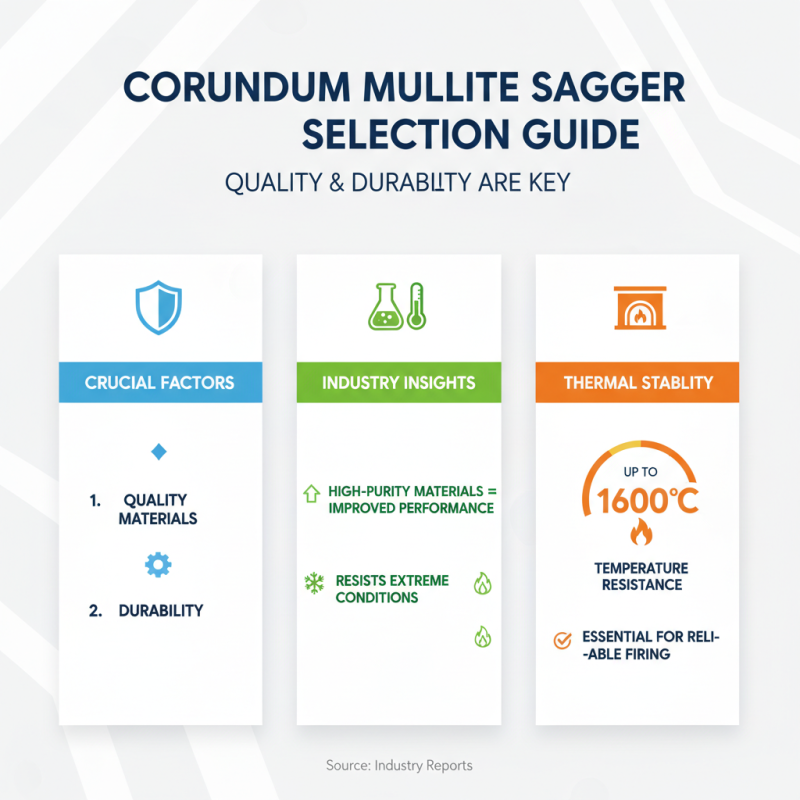
When selecting a corundum mullite sagger, quality and durability are crucial factors. According to data from industry reports, saggers made from high-purity materials show significantly improved performance under extreme conditions. These saggers can typically withstand temperatures up to 1,600°C, providing essential thermal stability.
However, not all saggers are created equal. Some may have inconsistent wall thickness, leading to weaker structures. This aspect could compromise their longevity and performance. The choice of raw material also impacts durability. For instance, saggers with a higher mullite content exhibit better resistance to thermal shock compared to those with lower concentrations.
Another important consideration is surface finishing. A well-finished surface minimizes defects that can lead to wear over time. Research indicates that saggers with smoother surfaces reduce abrasive wear by up to 30%. Failing to assess these elements can result in premature failures. Regular quality assessments can help ensure that the products meet necessary industry standards, ultimately promoting better performance in your applications.