How to Choose the Right Refractory Sagger for Your Industrial Needs?
Choosing the right Refractory Sagger is crucial for many industrial applications. These components play a vital role in the manufacturing processes of ceramics and metal materials. A properly selected Refractory Sagger can enhance productivity and extend the life of your equipment.
When considering a Refractory Sagger, think about the specific materials you will be using. Different saggers come with unique thermal properties and resistances. Understanding these details will help ensure optimal performance in your operations. It is also essential to evaluate the environment where the sagger will be used. High temperatures and chemical interactions can affect durability.
Reflecting on your current needs may reveal gaps in efficiency. A Refractory Sagger that seems adequate might not be the best choice. Assessing your production goals and challenges can lead to better decision-making. Selecting the right sagger is not just a technical choice; it reflects on your operational reliability and long-term success.
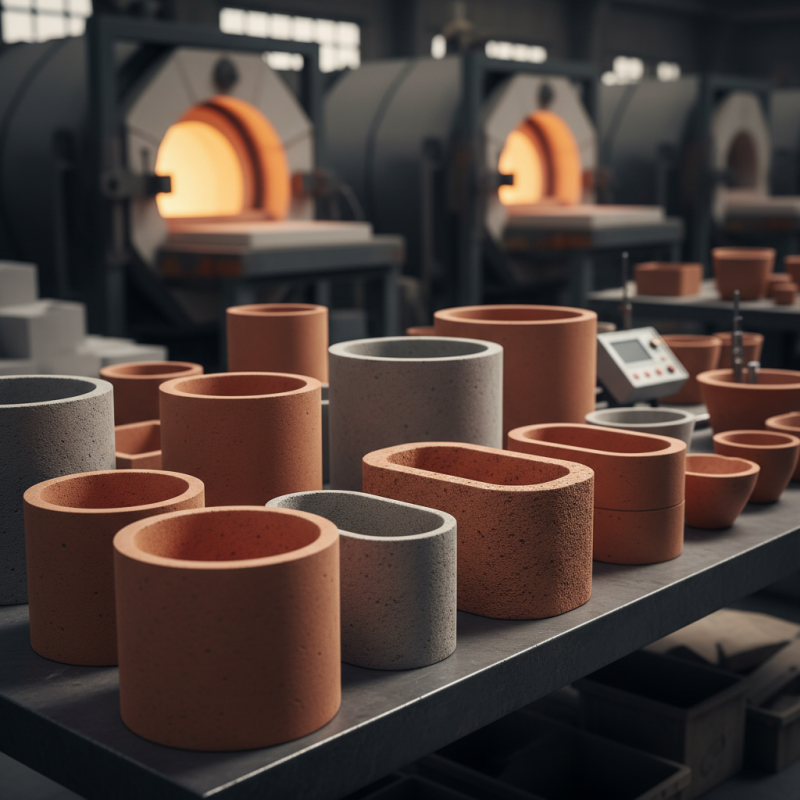
Understanding the Basics of Refractory Saggers and Their Applications
Refractory saggers play a crucial role in various industrial processes, particularly in ceramics and metal casting. These structures are specifically designed to hold products during firing or melting. Choosing the right refractory sagger can directly impact the quality and efficiency of operations. Understanding their composition and heat resistance is vital.
Several materials are used in refractory saggers. High alumina and silicon carbide are popular due to their excellent thermal stability. The application environment should guide the selection. For example, high-temperature kilns require saggers that withstand extreme conditions. However, choosing a material solely based on temperature resistance does not guarantee performance. Factors like thermal shock resistance and chemical stability are equally important.
Operational challenges can arise even with the correct choice. Improper handling can lead to cracks, impacting the overall process. Frequent inspections will ensure the longevity of refractory saggers. Not every sagger will perform the same under varying conditions. Understanding your specific needs and running tests can help avoid costly mistakes. Emphasis on practical experience will refine your selection process over time.
How to Choose the Right Refractory Sagger for Your Industrial Needs?
| Type of Sagger |
Material |
Max Temperature (°C) |
Application Area |
Advantages |
| Porcelain Sagger |
Porcelain Clay |
1300 |
Ceramics, Glass |
Temperature Resistance, Chemical Stability |
| Silicon Carbide Sagger |
Silicon Carbide |
1600 |
High Temperature Applications |
High Strength, High Temperature Resistance |
| Mullite Sagger |
Mullite |
1450 |
Ceramic Firing |
Thermal Shock Resistance, Low Expansion |
| Alumina Sagger |
Alumina |
1700 |
High Alumina Ceramics |
Excellent Durability, High Mechanical Strength |
Evaluating Material Types for Optimal Performance in High-Temperature Environments
When selecting a refractory sagger, understanding the material types is vital. Different materials react uniquely under high temperatures. Common options include alumina, magnesia, and zirconia. Each has distinct properties affecting performance and longevity. For instance, alumina is known for its excellent thermal stability and abrasion resistance, while magnesia offers superior insulation.
Consider the application in your industrial setup. For high thermal shock applications, a sagger made from zirconia may be ideal. Reports indicate that zirconia can withstand temperatures above 2000°C. This makes it a preferred choice in systems requiring strict temperature control. However, it’s essential to reflect on the cost versus performance for your specific needs.
Tips for selecting the right refractory sagger:
- Assess the temperature range of your processes before making a decision.
- Evaluate the wear and tear based on your materials and operational methods.
- Consult industry standards and case studies to guide your choice.
Finding the right refractory sagger isn’t straightforward. It requires careful consideration of material properties and your operational demands. Keep
detailed records to track material performance. This can help in refining your choices in
future projects.
Key Specifications to Consider When Choosing a Refractory Sagger
Choosing the right refractory sagger involves understanding specific requirements for your industrial application. Common specifications include thermal shock resistance and chemical durability. These properties ensure that the sagger can withstand extreme temperatures and aggressive environments.
It’s crucial to analyze the material of the sagger. Common materials include alumina, zirconia, and silica. Each material offers different performance characteristics. For instance, alumina is highly durable but may not withstand some chemical conditions. On the other hand, zirconia offers excellent thermal shock resistance. However, it can be more expensive.
You should also consider the size and shape of the sagger. The dimensions must fit your kiln or furnace. An improperly sized sagger can lead to inefficient heating. Moreover, assess the weight and ease of handling. A heavier sagger can be cumbersome, while lighter options may not provide adequate stability. This balance is essential for operational efficiency and safety.
Assessing Durability and Resistance Factors for Long-Term Use
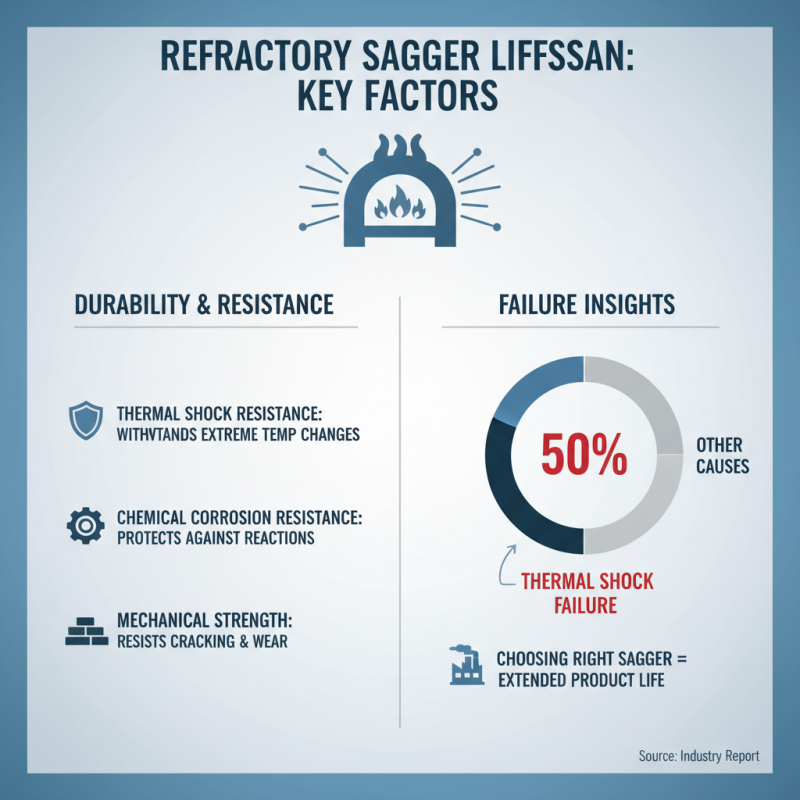
Choosing the right refractory sagger is crucial for industrial applications. Durability and resistance factors often dictate the lifespan of these products. According to a recent industry report, about 50% of refractory failures are due to inadequate resistance to thermal shock. This highlights the need for materials that can withstand extreme temperature fluctuations.
Evaluate the thermal stability of refractory saggers before making a selection. High-performance materials can endure temperatures exceeding 1,600°C. However, not all manufacturers provide consistent quality. Some saggers may exhibit unexpected degradation under stress. This can lead to costly downtimes with decreased operational efficiency.
Consider the installation environment as well. For example, exposure to corrosive elements can accelerate wear. This factor becomes especially relevant in industries like metal casting and glass manufacturing. A study suggests that saggers with enhanced chemical resistance outperform standard options significantly. Failing to assess these aspects may compromise your production line, leading to unforeseen challenges.
Cost-Effectiveness: Balancing Quality and Budget in Sagger Selection
Choosing the right refractory sagger for industrial applications requires careful consideration of cost-effectiveness. Industry reports indicate that high-quality saggers can significantly reduce production losses. Investing in durable materials often leads to long-term savings. For example, a recent study highlighted that companies using premium refractory products saw a 20% reduction in downtime.
Balancing quality and budget is crucial. Cheaper options may initially seem appealing. However, their shorter lifespan can result in increased replacement costs. In fact, the average lifecycle of lower-end saggers is only two-thirds that of their high-end counterparts. This discrepancy emphasizes the importance of understanding the total cost of ownership.
Moreover, choices should reflect specific operational needs. Factors such as temperature resistance and thermal shock stability are vital. Reports show that saggers with enhanced thermal performance reduce energy consumption by up to 15%. This tangible benefit can offset higher initial costs. An informed selection process is essential for optimizing both budget and quality in refractory saggers.
Cost-Effectiveness of Refractory Sagger Selection
This chart illustrates the importance rating of various criteria to consider when selecting refractory saggers for industrial needs. Each criterion is rated on a scale from 1 to 10, helping users to balance quality and budget effectively.