Why Choose Corundum Mullite Plate for Industrial Applications?
In the fast-evolving world of industrial applications, the choice of materials is critical. Corundum Mullite Plates have garnered attention due to their exceptional thermal stability and resistance to chemical wear. According to a report by the International Ceramics Association, Corundum Mullite has proven to outperform traditional ceramic materials in various high-temperature applications.
Dr. Emily Chen, a recognized authority in the field of refractory materials, stated, "The unique properties of Corundum Mullite Plates make them invaluable for modern industries." This highlights the growing reliance on such advanced materials. Their lightweight yet durable nature ensures they can withstand rigorous industrial environments while maintaining efficiency.
New data suggests that industries utilizing Corundum Mullite Plates have reported up to 30% increases in productivity and reduced downtime. However, it also requires careful consideration of application methods and potential material fatigue over time. Balancing these aspects will lead to smarter, more efficient industrial solutions.
Understanding Corundum Mullite: Composition and Properties
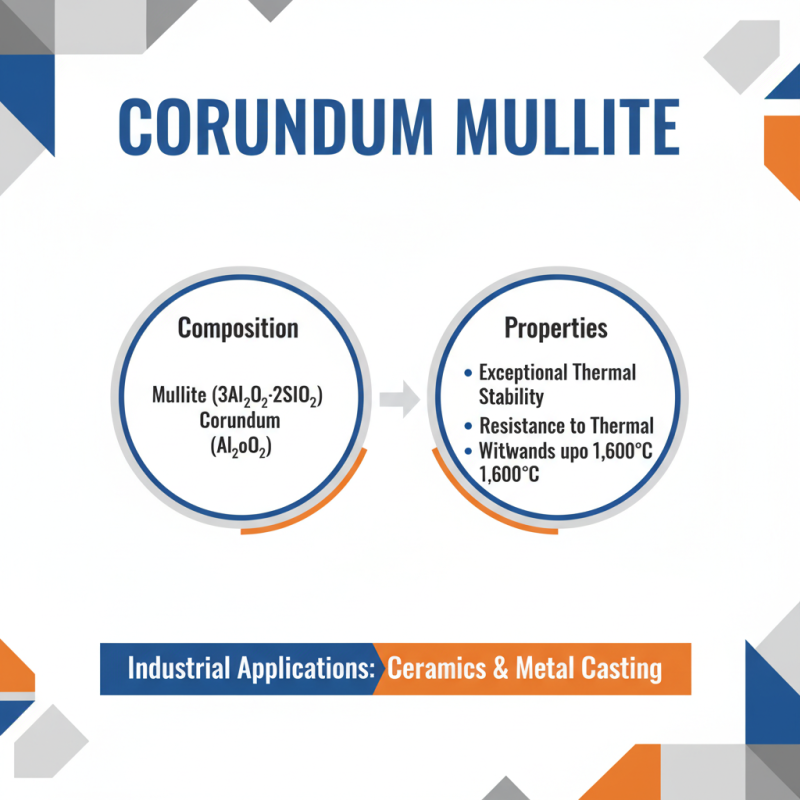
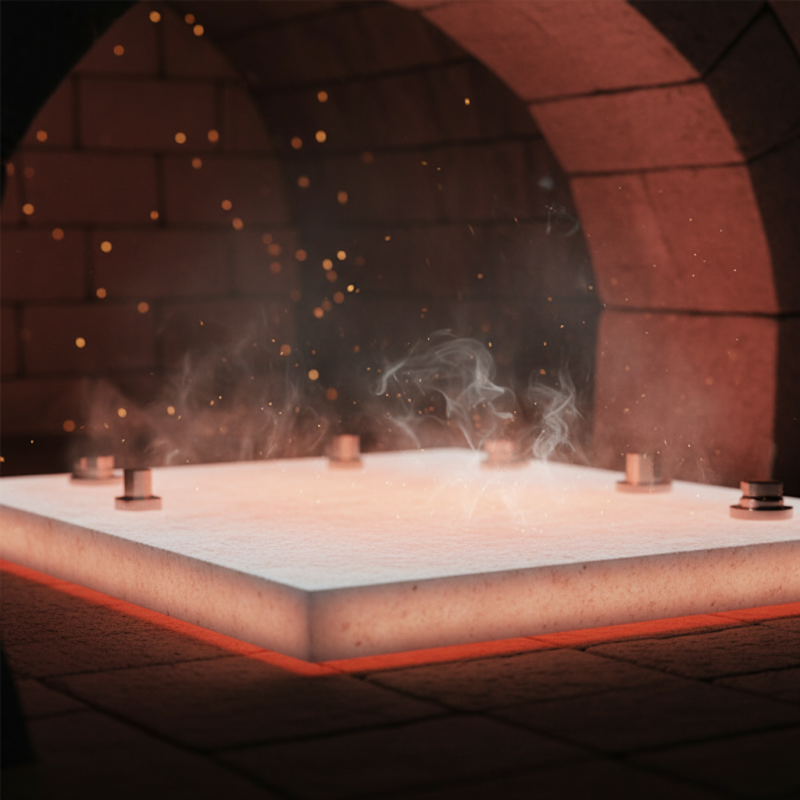
Corundum mullite is a key material for various industrial applications. Its composition primarily includes mullite (3Al2O3·2SiO2) and corundum (Al2O3). This unique combination provides exceptional thermal stability and resistance to thermal shock. Studies indicate that corundum mullite can withstand temperatures up to 1,600°C, making it ideal for high-temperature processes. This impressive property is vital for industries like ceramics and metal casting.
The physical properties of corundum mullite contribute significantly to its utility. It exhibits low thermal conductivity, which helps in energy efficiency. Additionally, its high mechanical strength prevails under adverse conditions. According to industry reports, the material’s compressive strength can exceed 350 MPa. However, precise control over its composition is crucial. Minor fluctuations can affect the performance and durability of the final product.
Tip: Ensure proper handling techniques when working with corundum mullite. Dust generated during cutting or machining can be harmful. Always use personal protective equipment to mitigate health risks.
Corundum mullite’s versatility is evident in its applications. Industries utilize it for kiln linings, heating elements, and furnace components. Despite its numerous benefits, ongoing research is necessary to perfect its characteristics. Manufacturers must continually refine methods to enhance performance. This commitment to improvement ensures that corundum mullite remains a leading choice in high-stress environments.
Advantages of Corundum Mullite Plates in High-Temperature Environments
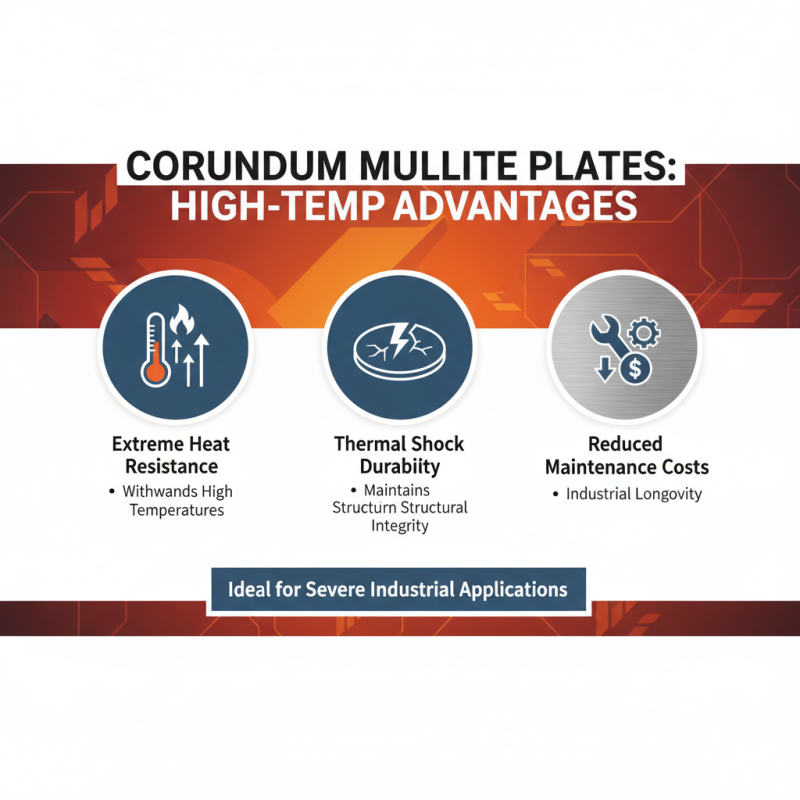
Corundum mullite plates have become a favored choice in industrial applications due to their remarkable properties. These plates can withstand high temperatures, making them ideal for environments that face extreme heat. They often maintain structural integrity, even when exposed to thermal shock. This durability helps reduce maintenance costs in manufacturing processes.
In addition to being heat-resistant, corundum mullite plates offer excellent thermal insulation. This feature contributes to energy efficiency within industrial settings. Lower energy consumption can lead to significant savings over time. However, reaching optimal performance may require precise handling during installation. Users should be aware of the potential for cracks if not applied correctly.
These plates also exhibit chemical stability. They resist corrosion from aggressive substances, making them suitable for harsh environments. Despite these advantages, some users report challenges with sourcing consistent quality. It is crucial to identify reliable suppliers. The industry must prioritize quality control to ensure the best outcomes.
Comparative Analysis: Corundum Mullite vs. Other Refractory Materials
Corundum mullite plates are gaining attention in the industrial sector due to their unique properties. They have impressive mechanical strength and thermal stability. According to recent industry reports, these materials can withstand temperatures exceeding 1600°C, making them suitable for high-heat applications. In contrast, traditional refractory materials often show degradation at lower temperatures, compromising their performance.
Compared to other refractory options, corundum mullite plates exhibit lower thermal conductivity. This feature enhances energy efficiency in industrial processes. Some studies reveal that energy consumption can be reduced by up to 30% when using corundum mullite over alumina-based products. Additionally, these plates also offer resistance to chemical attack, particularly in environments with corrosive agents, further extending their lifespan.
However, one must consider the initial cost. Corundum mullite plates can be more expensive compared to other materials. This upfront investment could deter some manufacturers. Despite that, the long-term benefits, including fewer replacements and lower operational costs, often outweigh the disadvantages. It's essential for decision-makers to weigh the immediate costs against future savings realistically. This ongoing evaluation can lead to better choices in refractory material selection.
Applications of Corundum Mullite Plates in Various Industries
Corundum mullite plates have gained traction in various industrial sectors due to their unique properties. In the ceramics industry, these plates excel as kiln linings. They withstand high temperatures up to 1650°C. This thermal stability is crucial for efficient production cycles. According to the American Ceramic Society, the demand for high-performance ceramics is projected to grow by 10% annually. Corundum mullite plates support this trend.
In the metal casting industry, these plates serve as coating materials. Their resistance to thermal shock enhances casting quality. Utilizing these plates can reduce rejection rates by 15% during casting processes. This improvement is vital for manufacturers aiming to meet stringent quality standards. Reports from the International Journal of Advanced Manufacturing indicate a correlation between material quality and production efficiency.
Moreover, in glass production, corundum mullite plates function effectively as support structures. They prevent deformation under immense heat, promoting stability. The growing glass market demands materials with high reliability. According to a recent market report, the global glass market is expected to reach USD 242 billion by 2025. This prompts industries to invest in durable materials like corundum mullite plates. These plates, however, require careful handling and installation to avoid unnecessary damage.
Why Choose Corundum Mullite Plate for Industrial Applications?
| Industry |
Application |
Benefits |
Temperature Resistance (°C) |
| Ceramics |
Kiln furniture and supports |
High thermal stability, reduced warping |
1600 |
| Metallurgy |
Refractory linings and insulation |
Excellent thermal shock resistance |
1750 |
| Glass |
Glass melting furnaces and support systems |
Corrosion resistance, high strength |
1650 |
| Cement |
Lining for kilns and coolers |
Durability, low thermal conductivity |
1450 |
| Electric Power |
Insulation materials for turbines and generators |
Electrical insulation, heat resistance |
1350 |
Factors to Consider When Selecting Corundum Mullite for Industrial Use
When selecting corundum mullite for industrial applications, several factors need careful consideration. The material's thermal stability is crucial. Corundum mullite displays excellent resistance to high temperatures. This property makes it suitable for industries like metallurgy and ceramics. Its ability to withstand thermal shock also plays a vital role in environments with fluctuating temperatures.
Another factor is mechanical strength. Corundum mullite boasts impressive hardness and compressive strength. This durability reduces the risk of wear and tear in demanding applications. However, understanding the specific mechanical requirements of your operation is essential. Some applications may require additional reinforcement or different materials.
Additionally, consider its chemical resistance. Corundum mullite is less reactive than other ceramics. Still, exposure to certain chemicals can affect its performance. Evaluate the working environment to determine compatibility. This step may seem tedious but is necessary for long-term reliability. Choosing the right grade and composition can significantly impact efficiency and product lifespan. Overall, a thorough assessment of your needs will ensure optimal results.