Essential Tips for Choosing Kiln Furniture for Your Needs?
Choosing the right kiln furniture significantly impacts your ceramics production. Kiln furniture includes shelves, posts, and supports that endure high temperatures. According to industry reports, over 70% of pottery failures are linked to inadequate kiln furniture selection. This highlights the importance of making the right choice.
When assessing options for kiln furniture, consider material durability and design. High-quality kiln shelves can withstand thermal shock and are essential for even heat distribution. Research indicates that ceramic artists who invest in reliable kiln furniture experience up to a 50% decrease in ware breakage. This illustrates how proper selection improves overall kiln efficiency.
However, not all kiln furniture is created equal. Selecting the wrong items can lead to costly mistakes. For instance, overloading shelves or choosing improper materials can result in warping or cracking. Reflecting on the needs of your production will lead to better outcomes and less frustration. Always prioritize quality and seek guidance from reputable sources in the industry.
Understanding Kiln Furniture: Types and Functions
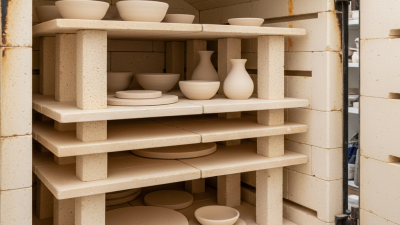
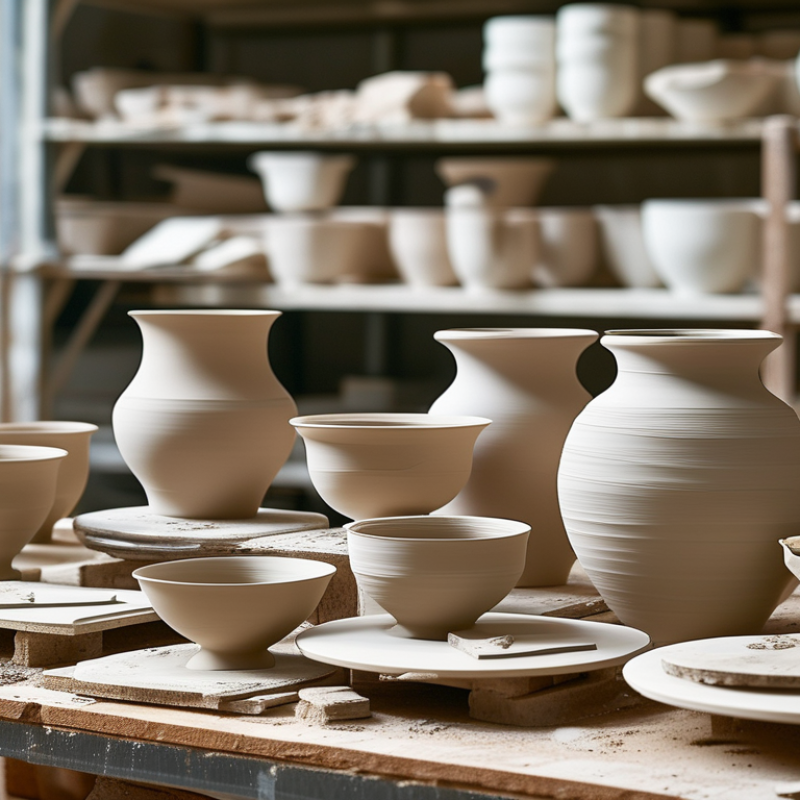
Kiln furniture plays a crucial role in the ceramic firing process. It includes shelves, posts, and support structures. Choosing the right type can enhance both efficiency and the quality of your work. Various materials are available, such as cordierite and silicon carbide. Each material has unique properties that affect its durability and heat resistance.
Understanding the types is essential. Cordierite is lightweight and offers thermal shock resistance, suitable for high-temperature firings. Silicon carbide, on the other hand, is sturdy and is preferred for heavy loads. This material withstands extreme temperature fluctuations, making it ideal for industrial applications. However, it can be more expensive.
When selecting kiln furniture, consider your specific needs. Evaluate the temperature range and load requirements of your projects. The furniture should align with your firing schedules and techniques. While it’s easy to overlook these details, improper selection can lead to unexpected failures. High-quality kiln furniture might seem like an additional expense, but it can pay off in the long run.
Essential Tips for Choosing Kiln Furniture for Your Needs
| Type of Kiln Furniture |
Material |
Function |
Temperature Resistance |
Best Usage |
| Shelves |
Cordierite |
Support and separation of items in the kiln |
Up to 1300 °C |
Ceramics and pottery |
| Props |
Silica |
Supporting structures for kiln shelves |
Up to 1350 °C |
High-fired ceramics |
| Kiln Posts |
Refractory material |
Elevating shelves in the kiln |
Up to 1400 °C |
All types of ceramics |
| Kiln Wash |
Mixture of materials |
Protects shelves and furniture |
N/A |
Prevention of glaze sticking |
Assessing Your Kiln's Size and Capacity for Furniture Selection
When it comes to selecting kiln furniture, understanding your kiln's size and capacity is vital. A report from the Ceramic Industry Association indicates that improperly sized furniture leads to uneven heating and potential damage to pieces. Therefore, assessing the internal dimensions of your kiln is the first step in making an informed choice. Consider the maximum height, width, and depth. Aligning your furniture selections with these measurements can optimize your kiln's performance.
Tip: Always measure your kiln before purchasing furniture. This will prevent costly mistakes. You may want to allocate an extra inch in height for items that need space for expansion during firing.
Your kiln’s capacity dictates how much furniture you can use. Overloading can lead to inefficiencies. In contrast, underutilizing space may waste energy. According to industry standards, ensuring proper airflow around each piece is essential for consistent results. Evaluate how much weight your kiln can safely support to avoid accidents.
Tip: Think about using lighter furniture materials. They allow for easier adjustments and avoid excessive weight on the kiln structure. Additionally, consider the spacing of furniture as it impacts the distribution of heat and air within the kiln chamber. Adjusting these factors is crucial for optimal firing results.
Material Options: Ceramics, Refractory, and Other Choices
When selecting kiln furniture, understanding material options is crucial.
Ceramics offer excellent thermal stability. They are lightweight and often used for delicate projects. However, they may crack under extreme temperature shifts. This is an important consideration for potters.
Refractory materials are another choice. They withstand high temperatures well and are durable. Though heavier, they provide a reliable platform for firing. It's important to confirm compatibility with your firing schedule. Additionally, some alternative materials may suit specialized needs. These options can provide cost savings, but they may not perform as reliably in every situation.
Reflecting on your specific requirements is vital. Weigh the pros and cons of each material. Are you focused on long-term durability or affordability? Balancing these elements will help you make a sound decision. Remember, the right kiln furniture can significantly impact your results. Yet, no option is without its flaws. Consider your projects carefully before making a choice.
Durability and Heat Resistance: Key Selection Criteria
When selecting kiln furniture, durability and heat resistance are critical factors. The materials used must withstand high temperatures without warping or cracking. Common choices include cordierite and silicon carbide, which offer excellent thermal stability. Understanding the thermal expansion properties of these materials is essential. Kiln furniture should not only endure repeated heating cycles but also maintain its shape.
Potters often face challenges with heat distribution in their kilns. Uneven heating can lead to damage or inferior results. Thus, choosing kiln furniture that enhances airflow around the pieces is vital. Consider thickness and surface texture, as they influence how heat is absorbed and retained. Some potters find that thinner shelves can warp over time, while thicker options may provide better support.
Many users report frustrations with premature wear on their kiln furniture. This highlights the importance of considering how often you fire your kiln. Frequent usage may require more robust selections, while occasional use might allow for lighter materials. Observing how your choice performs over time can help inform future decisions.
Durability and Heat Resistance of Kiln Furniture Materials
Cost Considerations and Budgeting for Kiln Furniture
When budgeting for kiln furniture, understanding costs is crucial. The materials used in kiln furniture significantly affect overall expenses. High-quality refractory materials can be costly, but they provide durability. Lower-priced options may save money initially but can lead to frequent replacements. According to industry reports, the average lifespan of kiln furniture varies with quality. Premium options can last over a decade, while cheaper alternatives may only endure a few years.
Consider also the type and size of kiln furniture needed for your specific projects. Custom solutions may come with higher price tags but can optimize your kiln's efficiency. Investing in the right configurations reduces energy consumption. Studies indicate that efficient kiln furniture can improve firing outcomes, ultimately resulting in better quality kiln returns. It's essential to evaluate long-term savings against initial outlays.
Another factor is maintenance. Quality kiln furniture often requires less upkeep, which can minimize additional costs. It's easy to overlook this when focusing solely on upfront expenses. A decision based solely on price may lead to regret later. Weigh the pros and cons of various options to find the best fit. Balancing cost with quality is key.