2026 How to Choose the Right Zirconia Ceramic for Your Needs?
Zirconia ceramic is gaining traction in various industries due to its remarkable properties. According to a recent report by ResearchAndMarkets, the global zirconia ceramics market is projected to reach USD 3.6 billion by 2025. This ceramic material boasts high strength, durability, and resistance to wear and corrosion.
Dr. Helen Wong, a leading expert in ceramic materials, emphasizes, "Choosing the right zirconia ceramic can significantly affect product performance and longevity." As industries evolve, professionals must consider factors such as application requirements and environmental conditions.
However, selecting zirconia ceramic isn't always straightforward. Different formulations and processing techniques can yield varied results. It’s crucial to understand these nuances. Missteps in selection can lead to performance issues and increased costs. Therefore, a careful evaluation of the specific needs and available options is essential for achieving optimal outcomes.
Understanding Zirconia Ceramic: Types and Properties
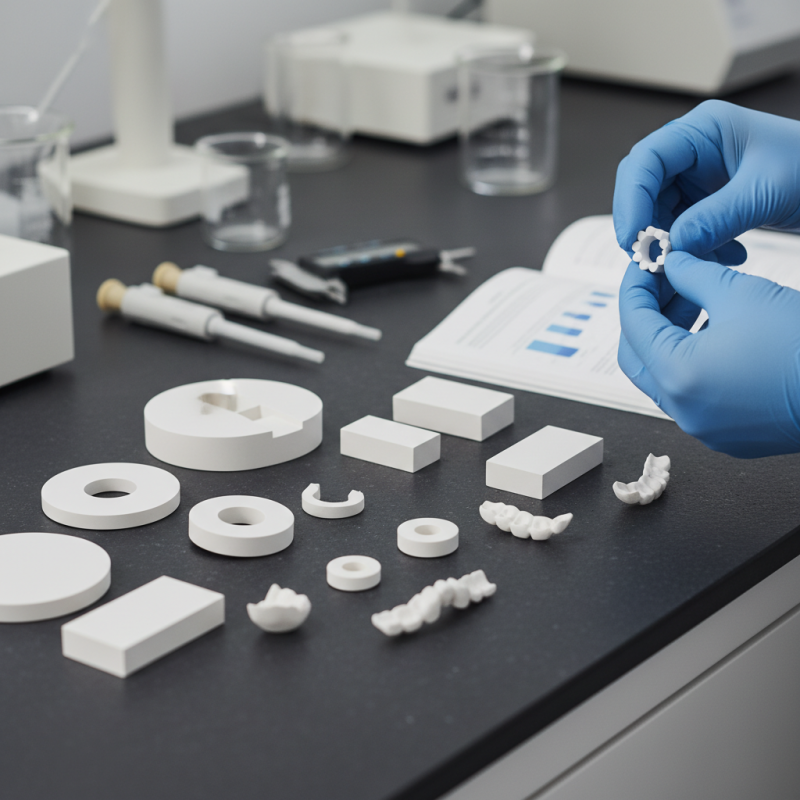
Zirconia ceramic is a versatile material known for its durability and aesthetic appeal. It exists in various forms, each suited for different applications. Understanding types and properties can help you choose the right zirconia ceramic for your needs.
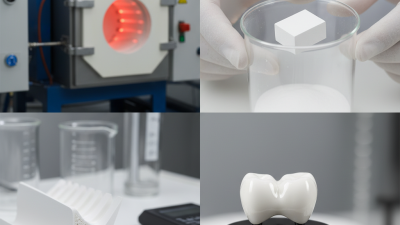
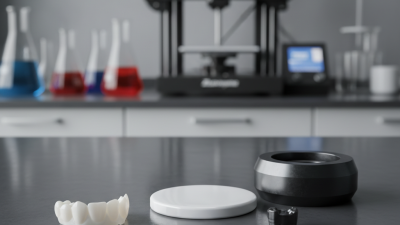
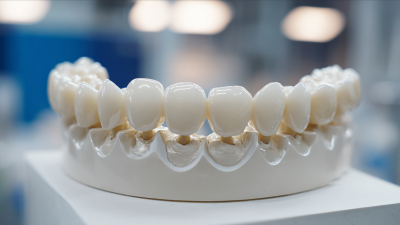
There are primarily two types of zirconia ceramic: partially stabilized and fully stabilized. Partially stabilized zirconia is used in dental applications due to its strength and translucency. This type works well for dental crowns and bridges. Fully stabilized zirconia has superior mechanical properties, making it ideal for industrial uses. It can endure high temperatures and resist wear, which is essential in manufacturing environments.
The properties of zirconia can vary significantly. For example, its density and hardness greatly affect its applications. A higher density can mean greater strength but may lead to brittleness. These factors require careful consideration. Additionally, surface finish can influence performance. A smoother surface is generally more aesthetically pleasing but may not provide the desired friction levels in certain uses. Balancing these aspects is key in making an informed decision.
Key Factors to Consider When Choosing Zirconia Ceramic
When selecting zirconia ceramics, various factors influence your choice. One critical aspect is the material's mechanical properties. Zirconia is known for its high strength and toughness. According to a 2022 report from the International Journal of Ceramic Engineering, zirconia can withstand loads up to 2,500 MPa. This durability makes it suitable for dental applications and industrial uses.
Another essential factor to consider is the processing method. There are several types of zirconia ceramics, such as partially stabilized and fully stabilized variants. Each type has unique thermal and mechanical characteristics. For example, partially stabilized zirconia offers better fracture toughness, while fully stabilized zirconia exhibits improved thermal stability. Understanding these differences is vital for finding the right fit for your needs.
The intended application will also guide your decision. For example, if you need ceramics for dental prosthetics, you should look for bioinert materials. Research from the Journal of Biomaterials Science indicates that bioinert zirconia has a lower chance of causing inflammation when in contact with body tissues. However, costs can vary significantly based on specifications, so it’s essential to weigh performance against budget constraints.
Applications of Zirconia Ceramic in Various Industries
Zirconia ceramics are widely used across various industries due to their impressive properties. These materials excel in high-strength applications, with a flexural strength of around 1,200 MPa. This makes them ideal for the dental and medical sectors. In dentistry, zirconia is utilized for crowns and bridges because of its durability and aesthetic appeal. Its biocompatibility ensures a safe interaction with human tissues, which is crucial for implants.
In the manufacturing domain, zirconia ceramics play a vital role in cutting tools. The wear resistance can extend tool life significantly, reducing the frequency of replacements. Reports indicate that tools made from zirconia ceramics can last up to three times longer than those made from standard materials. Automotive applications also benefit from zirconia's thermal stability. Components, like oxygen sensors, utilize zirconia to withstand harsh environments.
However, not every application suits zirconia ceramics. Their brittleness can be a concern in certain conditions, where toughness is essential. For applications involving shock or heavy loading, alternative materials may perform better. Identifying the right type of zirconia is critical. This requires a thorough understanding of specific industry needs and the limitations associated with zirconia ceramics.
Applications of Zirconia Ceramic in Various Industries
Comparative Analysis: Zirconia vs. Other Ceramic Materials
When choosing the right zirconia ceramic, a comparative analysis with other ceramic materials is vital. Zirconia ceramics stand out for their strength and durability. They are less prone to chipping compared to traditional ceramics. In applications requiring high wear resistance, zirconia often performs better than alumina ceramics. This makes zirconia ideal for dental applications and industrial uses.
However, not all applications need the superior properties of zirconia. For example, in non-load-bearing situations, other ceramics like porcelain might suffice. Porcelain offers an aesthetic advantage due to its translucency. Understand your specific needs before selecting the material.
Tips: Always consider the environmental conditions where the ceramic will be used. Evaluate factors like temperature, pressure, and exposure to chemicals. Additionally, think about the lifespan you expect from the material. If frequent replacements are acceptable, a less expensive ceramic may be suitable. Always consult with a materials expert to ensure the best choice for your application.
Maintenance and Care Tips for Zirconia Ceramic Products
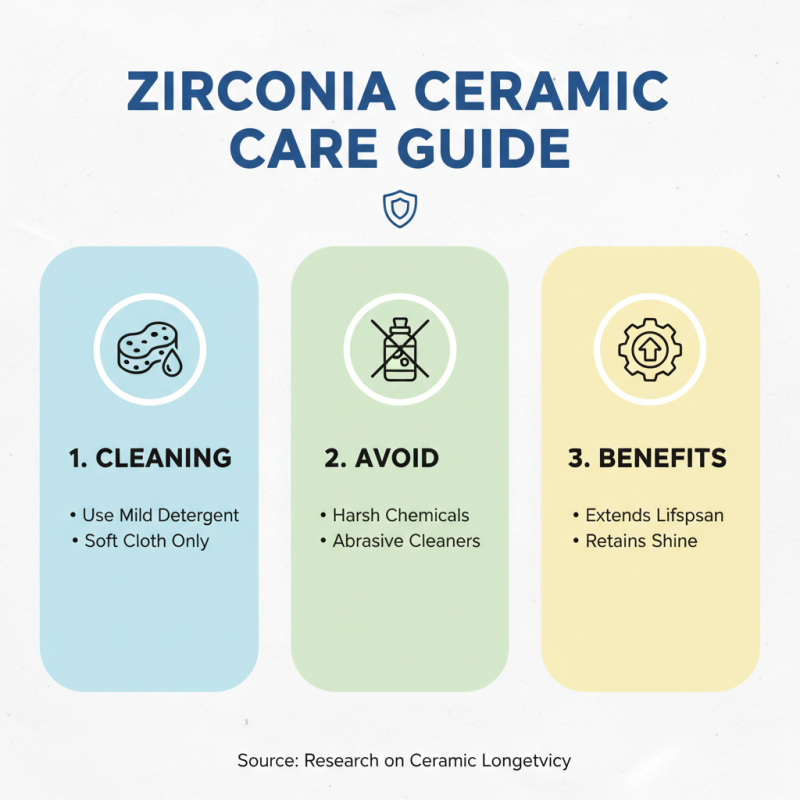
Zirconia ceramics are gaining popularity for their durability and aesthetic appeal. To maintain these products, regular care is essential. Cleaning is key. Use a mild detergent and soft cloth. Avoid harsh chemicals that can dull the surface. Studies show that proper cleaning can extend the lifespan of zirconia ceramics significantly.
Storage is another important aspect. Keep zirconia items in a dry place. This prevents moisture damage, which can weaken the material. Also, avoid stacking heavy items on top. This can lead to cracks. Research has indicated that improper storage can reduce the longevity of ceramic products by up to 30%.
While zirconia ceramics are robust, they still require gentle handling. For example, dropping a piece may chip it. This inherent vulnerability means that cautious use is necessary. Regular checks for wear and damage can help maintain their condition. By taking these maintenance steps, users can ensure their zirconia ceramics remain beautiful and functional for years to come.