What are the Key Benefits of Using Technical Ceramics?
Technical ceramics are becoming increasingly vital in modern industries. Their unique properties offer numerous advantages for various applications. According to a recent report by Market Research Future, the global technical ceramics market is projected to reach USD 80 billion by 2028, reflecting a robust growth trajectory. This surge underscores the rising demand for materials that provide durability and efficiency.
Dr. Daniel Huang, an expert in ceramic engineering, emphasized, "The versatility of technical ceramics allows for innovation that can revolutionize numerous fields." His insight captures the essence of how these materials enhance performance in critical sectors like aerospace, automotive, and electronics. The robust mechanical strength and high-temperature resistance of technical ceramics make them ideal solutions for demanding environments.
Yet, despite their benefits, some challenges remain. The cost of production can be higher compared to traditional materials. Additionally, the brittle nature of some ceramics can limit their use in certain applications. Understanding these complexities is essential for industries aiming to leverage technical ceramics effectively. The balance between cost, performance, and application plays a significant role in driving their adoption.

Key Characteristics of Technical Ceramics
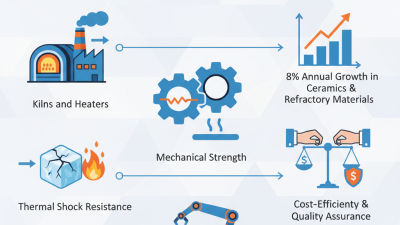
Technical ceramics possess unique characteristics that set them apart from traditional materials. They are typically known for their exceptional hardness and high wear resistance. This makes them ideal for applications in harsh environments, such as cutting tools and grinding media. Additionally, technical ceramics exhibit excellent thermal stability, allowing them to withstand extreme temperatures without degrading.
Another important characteristic is their low electrical conductivity. This property makes them suitable for insulation in electronic devices. Their chemical resistance is also noteworthy, as they can endure exposure to corrosive substances. However, while these materials offer numerous advantages, they can be brittle. This brittleness may pose challenges during handling or in applications where high impact resistance is needed.
Moreover, the production process for technical ceramics can be complex and costly. Manufacturers often face hurdles in achieving the desired consistency and quality. These factors require careful consideration when selecting materials for specific applications. Despite these challenges, the reliability and performance of technical ceramics continue to drive their use in various advanced industries.
Enhanced Durability and Wear Resistance of Technical Ceramics
Technical ceramics are notable for their enhanced durability and wear resistance, making them essential in various industries. They are engineered to withstand extreme conditions. For example, these materials can endure temperatures exceeding 1,600 degrees Celsius. This capability is crucial in sectors such as aerospace and automotive, where reliability is paramount.
According to industry reports, the wear resistance of ceramic materials can exceed that of metals by up to five times. This means they can significantly reduce maintenance costs over time. For instance, in high-friction environments, the lifespan of machinery components can be dramatically extended. This durability leads to less downtime and increased efficiency.
However, the higher cost of raw materials can challenge some manufacturers. Not all applications can justify the investment. It is essential to weigh these factors against potential long-term savings. Although technical ceramics show remarkable advantages, their use must be strategically evaluated. In balancing initial expenses with future benefits, companies can make informed decisions.
Applications of Technical Ceramics in Various Industries
Technical ceramics have found significant applications across various industries due to their unique properties. In the aerospace sector, for instance, these materials can withstand extreme temperatures and pressures. A report from MarketsandMarkets indicates that the aerospace ceramics market is expected to reach USD 2.3 billion by 2026. Their lightweight nature and strength contribute to improved fuel efficiency, but the cost remains a challenge for widespread adoption.
In the medical field, technical ceramics are used in dental implants and surgical instruments. They offer biocompatibility and resistance to wear, which enhances their lifespan in bodily applications. According to a study by Research and Markets, the global medical ceramics market is projected to grow at a CAGR of 5.6% through 2024. While the advantages are clear, issues with manufacturing consistency and the high initial investment can hinder their scalability.
Industries like electronics also benefit from technical ceramics. Insulating and dielectric properties make them ideal for capacitors and substrates in circuit boards. The global electronics ceramics market is expected to reach USD 15 billion by 2025, showing growing demand. However, developing suitable ceramic materials that can endure varying operational conditions is still a concern. This reflects the ongoing need for innovation and quality assurance in ceramics technology.
Key Benefits of Using Technical Ceramics
Cost-Effectiveness and Long-Term Benefits of Technical Ceramics
Technical ceramics offer remarkable cost-effectiveness for various industrial applications. Their durability often leads to lower maintenance costs over time. For example, the wear resistance of these materials means that parts last longer, reducing the frequency of replacements. Many manufacturers find that investing in technical ceramics translates to significant savings in resource allocation.
Long-term benefits extend beyond mere cost. These ceramics exhibit excellent thermal stability and resistance to harsh environments. This quality can enhance the reliability of components in critical applications, such as aerospace and electronics. However, the initial investment may seem high to some businesses. Evaluating potential lifecycle cost savings can be complex but worthwhile.
In tough economic climates, companies seek solutions that balance upfront costs with future savings. While technical ceramics can represent a steep initial investment, the longevity they provide might outweigh this concern. Businesses should carefully consider their specific needs and the long-term performance of materials before making decisions.
Environmental Impact and Sustainability of Technical Ceramics
Technical ceramics are gaining attention for their environmental benefits. These materials are often produced with lower energy consumption compared to metals. A 2022 report by the International Society of Ceramics highlights that technical ceramics can reduce energy use by up to 30% in specific applications. Their durability also contributes to sustainability. Technical ceramics last longer than many conventional materials, leading to fewer replacements and less waste.
Disposing of traditional materials poses significant environmental challenges. Landfill usage increases, along with the pollution generated during production. In contrast, technical ceramics can be recycled effectively. Reports estimate that around 70% of technical ceramics can be repurposed at the end of their lifecycle. This recycling potential helps address the escalating global waste crisis.
Despite these advantages, challenges remain. The initial cost of technical ceramics can be high, which may deter some industries. Moreover, not all ceramics are environment-friendly during the production phase. It is crucial to promote more sustainable manufacturing techniques. As research progresses, there is a growing necessity to balance cost and environmental impact in future developments.