Why Choose Silicon Carbide Kiln Shelves for Your Kiln?
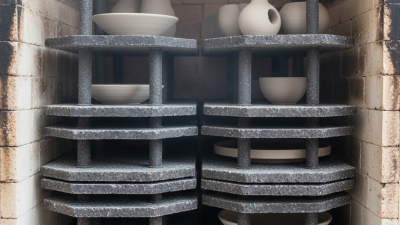
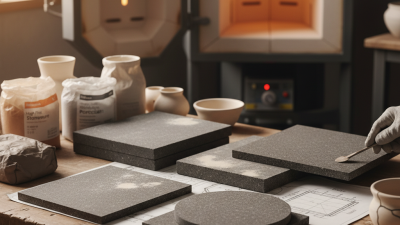
When it comes to kiln operations, choosing the right materials is essential. One standout option is Silicon Carbide Kiln Shelves. These shelves offer a variety of benefits that can enhance your kiln's performance.
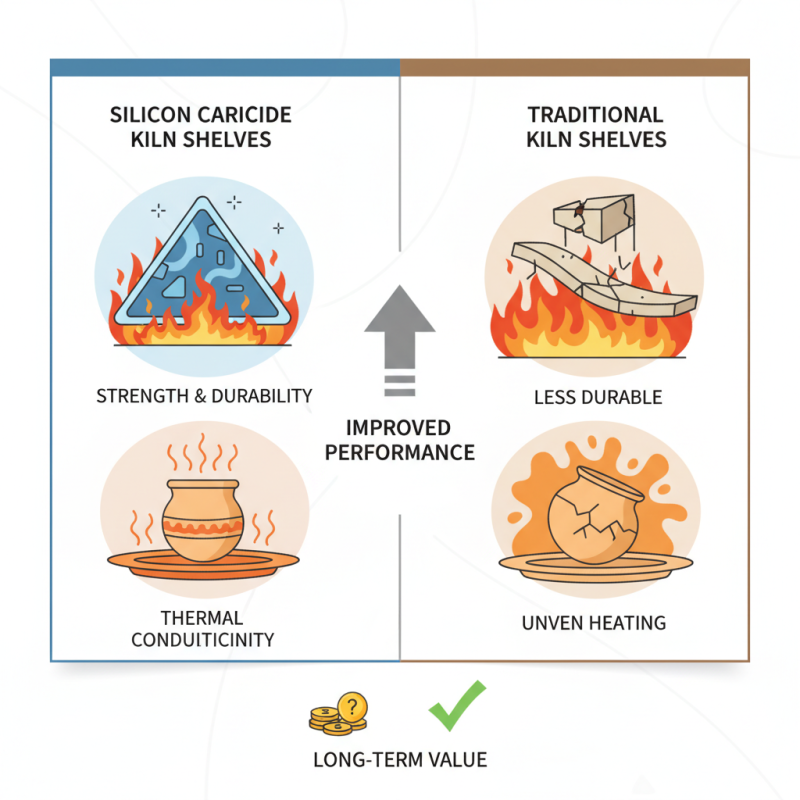
Silicon Carbide Kiln Shelves are known for their strength and durability. They withstand high temperatures without warping. This makes them ideal for various firing environments. Users often notice reduced wear compared to traditional materials. However, the initial cost can be a concern for some. It's worth assessing if the long-term benefits justify the investment.
Another advantage is thermal conductivity. Silicon Carbide Kiln Shelves heat evenly, which promotes uniform firing. This feature can improve the quality of your finished products. Yet, not all kilns may be compatible with this material. It's crucial to evaluate your specific setup. In the end, the choice of Silicon Carbide Kiln Shelves can be a game changer for many pottery artists and manufacturers.
Benefits of Using Silicon Carbide Kiln Shelves Over Traditional Materials
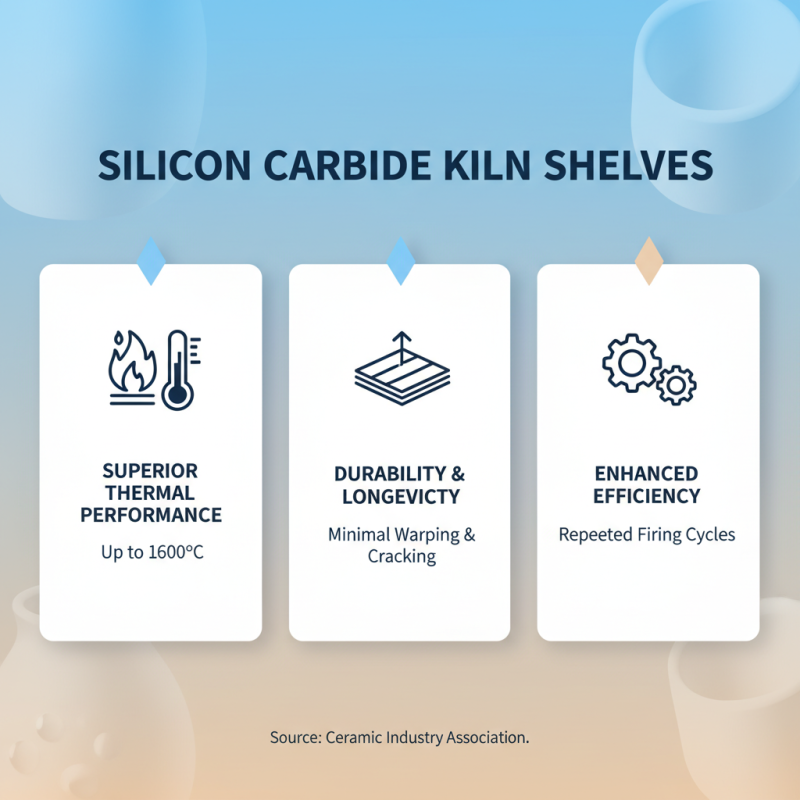
Silicon carbide kiln shelves stand out in ceramic firing processes. Unlike traditional materials, silicon carbide offers superior thermal performance. The Ceramic Industry Association reports that silicon carbide can withstand temperatures up to 1,600°C. This resilience ensures minimal warping and cracking, even under repeated firing cycles.
Additionally, these shelves boast remarkable thermal conductivity. Studies show that they can help reduce energy consumption by approximately 30%. This efficiency is vital for studios looking to lower operational costs. While some may note the initial investment is higher, the durability and energy savings often mitigate these expenses over time.
Silicon carbide shelves also promote even heat distribution, reducing the risk of uneven glazing. Potters often face challenges with traditional shelves leading to hot spots. Such problems can damage pieces or lead to inconsistent outcomes. Embracing silicon carbide can enhance the overall quality of work. However, some artisans may still cling to older materials, fearing change. Reflecting on these choices is essential for growth in this evolving industry.
High Temperature Resistance and Its Impact on Kiln Performance
When it comes to kiln shelves, silicon carbide stands out. Its high temperature resistance is a game changer. This material can withstand extreme heat, making it ideal for demanding kiln applications. Unlike traditional shelves, silicon carbide doesn’t warp easily under intense conditions. This stability is crucial when firing ceramics or glass.
The impact of high temperature resistance is profound. Kiln performance improves significantly with these shelves. You notice even heat distribution during firing. This ensures consistency in your work. However, it's important to monitor shelf wear over time. Even durable materials can show signs of fatigue. The investment in silicon carbide can pay off, but regular checks are necessary to avoid unexpected failures.
Some users overlook maintenance. They assume durability means no care is needed. This mindset can lead to problems. Understand your kiln's specific needs. Assess how often you’re using it. This knowledge will guide you in shelf maintenance. High temperature resistance is vital, but it must be matched with proper usage.
Cost-Effectiveness: Analyzing Longevity and Replacement Frequency
Silicon carbide kiln shelves are known for their durability and cost-effectiveness. Longevity is a key factor here. They can last for years with proper care, reducing the need for frequent replacements. This translates to lower overall costs for kiln operators. Cheaper alternatives might seem appealing but often falter under high temperatures.
Another point to consider is how often you need to replace your shelves. Frequent replacements can add up. Silicon carbide shelves tend to resist warping and cracking better than other materials. This feature results in a more stable firing environment, enhancing the quality of your work.
Tips: Always inspect your kiln shelves regularly. Look for any signs of damage, like chips or cracks. This proactive approach can extend their life. Additionally, keep your shelves clean. A good cleaning routine can prevent buildup that decreases efficiency. Never underestimate the importance of quality maintenance!
Comparative Strength: Silicon Carbide vs. Other Kiln Shelf Materials
Silicon carbide kiln shelves are gaining popularity. They offer impressive strength compared to other materials. Unlike ceramic shelves, silicon carbide shelves can withstand higher temperatures and thermal shock. This resilience helps maintain their shape over time, making them a reliable choice for potters and manufacturers.
When considering kiln shelves, it's essential to weigh the pros and cons. While silicon carbide shelves are durable, they can be heavier than their ceramic counterparts. This added weight may affect the handling and transport of your shelves. It’s important to assess whether the benefits outweigh this challenge in your specific situation.
**Tip:** Always inspect the shelves before use. Look for any signs of damage, as even a small crack can compromise their performance.
Silicon carbide shelves do come at a higher initial cost. However, their longevity may lead to savings in the long run. Potters should evaluate their usage frequency and intensity before making a choice. Ultimately, the right material can significantly impact the quality of your fired products.
**Tip:** Consider maintaining a log of your kiln usage. Track how different shelves perform under various conditions for better future decisions.
Comparative Strength of Kiln Shelf Materials
Thermal Shock Resistance: Ensuring Durability in High-Pressure Conditions
Silicon carbide kiln shelves are known for their incredible thermal shock resistance. This property is crucial for maintaining durability under high-temperature conditions. When kilns heat up or cool down rapidly, materials can expand or contract. Traditional kiln shelves may crack or warp, leading to costly disruptions. Silicon carbide shelves, on the other hand, can withstand extreme temperature changes without suffering damage.
Experiments show that silicon carbide can endure temperatures up to 1600°C. This high threshold allows artists and manufacturers to fire various materials without worry. Imagine a ceramic piece that requires a steep temperature increase. The wrong shelf could lead to disaster. However, silicon carbide provides a reliable solution in these extreme situations. It supports the weight of heavy pieces while resisting sudden thermal shifts.
During use, it’s essential to monitor the condition of your kiln shelves. Even silicon carbide can wear down over time. Look for signs of erosion or stress. Investing in quality shelves is a step in the right direction. Yet, be mindful that no material is perfect. Regular maintenance can extend the lifespan of your kiln shelves, ensuring your kiln runs smoothly.