In the realm of advanced materials, alumina ceramic emerges as a critical component in various applications. Its versatility and strength make it ideal for industries like electronics and aerospace. According to the latest market report from Global Industry Analysts, the alumina ceramic market is projected to reach $4.2 billion by 2025, highlighting its growing significance.
Dr. Sarah Thompson, a noted expert in ceramic materials, states, "Selecting the right alumina ceramic is crucial for enhancing performance and longevity." This insight underscores the importance of careful consideration when choosing alumina ceramic for specific needs. Many industries often overlook crucial factors in their selection process, leading to costly mistakes.
The variety in alumina ceramic types can confuse buyers. Each variant offers unique properties that cater to different requirements. Therefore, failing to fully understand these options can hinder operational efficiency. In a market that's evolving rapidly, staying informed about the latest advancements and data is essential for making the best choices.

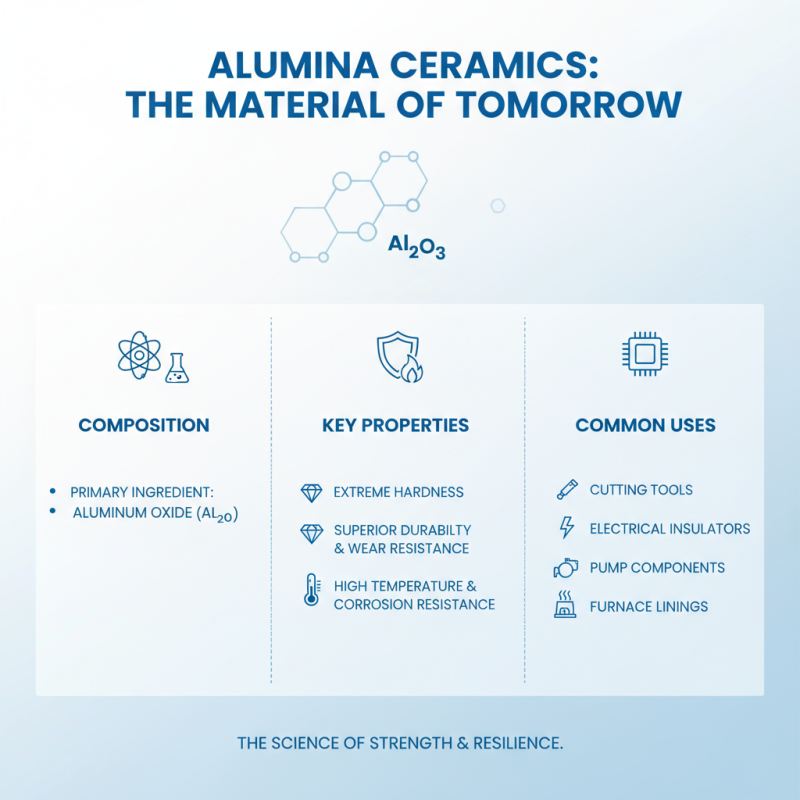
Alumina ceramic is a popular choice in various industries. It's known for its hardness and durability. This material is primarily made from aluminum oxide. Understanding its properties is crucial for effective use. For example, alumina ceramics can withstand high temperatures and resist wear and corrosion. This makes them ideal for applications like cutting tools and insulators.
However, not all alumina ceramics are the same. Variations exist in purity and grain size. A higher purity means better performance, but it can also come at a higher cost. It’s essential to weigh these factors carefully. Many manufacturers offer different grades, which can be confusing. Testing different types can help identify the one that meets your specific needs.
Another aspect to consider is the manufacturing process. Some ceramics are sintered, which can affect strength and density. This portion often requires precise control, leading to potential inconsistencies. It’s beneficial to communicate with suppliers to understand variations and qualities. Careful research can prevent problems down the road, leading to better project outcomes.
When choosing alumina ceramic, grade and purity are crucial factors. High-purity alumina is typically around 99.9% pure. This level significantly enhances mechanical strength and thermal resistance. In industrial applications, the alumina's grade directly affects performance. Higher grades exhibit improved wear resistance and better electrical insulation properties. A report by the Global Ceramic Materials Market noted that ceramics with a purity of 99.5% or higher are preferred in aerospace and medical applications.
Purity isn’t the only consideration. The presence of impurities can alter physical properties. Even small amounts can impact thermal conductivity and overall durability. In some studies, such as those published in the Journal of Materials Science, impurities reduced fracture toughness by up to 30%. It’s clear that a thorough evaluation of purity is essential. Determining whether the alumina meets required specifications takes time and resources. Testing multiple samples may be necessary for confidence in the material’s capabilities.
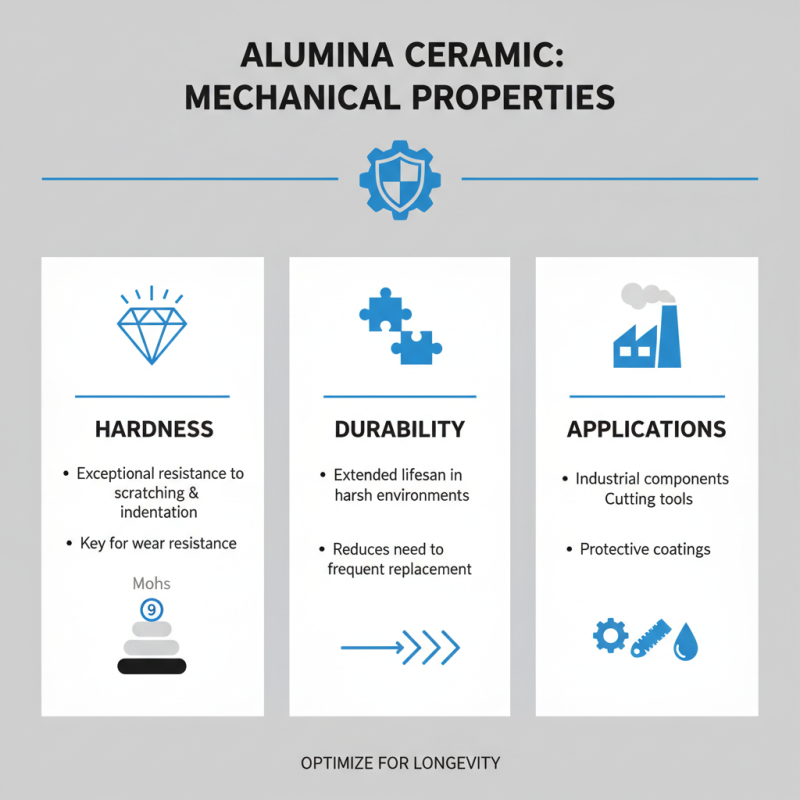
When choosing alumina ceramic, understanding its mechanical properties is crucial. Hardness is a key factor. Alumina offers impressive hardness levels, making it effective for wear resistance. This property can significantly impact its longevity in various applications.
Another important aspect is toughness. Alumina typically has lower toughness compared to other materials. This can lead to brittleness if not properly considered. It’s essential to match the tough job requirements with alumina's characteristics.
Moreover, thermal stability plays a major role. Alumina ceramic can withstand high temperatures, making it suitable for heat-resistant applications. However, one should assess how it performs under thermal cycling. Not every application may benefit equally from its thermal properties. These details should guide your final decision.
When selecting alumina ceramic, thermal and electrical conductivity are crucial factors. Alumina, known for its excellent thermal stability, typically has a thermal conductivity ranging from 20 to 30 W/m·K. This property makes it suitable for various applications, especially in electronics. For instance, high-purity alumina can effectively dissipate heat in LED technology, extending the lifespan of these devices.
However, it's essential to consider the limits of alumina. While it excels in many areas, its electrical conductivity is relatively low. The material is an excellent insulator, usually characterized by a dielectric strength greater than 10 kV/mm. This is ideal for applications requiring electrical insulation. Yet, one must ponder whether the insulation properties meet the specific needs of their projects. Sometimes, the design may demand materials with different conduction properties.
Understanding the thermal and electrical characteristics of alumina allows for better material choices. Reports show that inappropriate selection can lead to failures in applications. For instance, using alumina in high-frequency applications often results in issues, as the low electrical conductivity may not satisfy operational requirements. Reflecting on these factors during the selection process is essential for achieving optimal performance in your applications.
When selecting alumina ceramic, cost-effectiveness is crucial. Consider your budget carefully. Calculate the total expenses, including production and maintenance. Higher quality materials may seem pricey initially. However, they can save money in the long run by reducing replacements. In this way, long-term investment often makes financial sense.
Availability is another factor worth assessing. Certain suppliers may have limited stock. Explore multiple sources to ensure you find what you need. You might face delays if you rely on a single provider. Supply chain issues can also impact costs. It's wise to keep alternatives in mind.
Sometimes, the best choice may not be the most obvious one. For instance, a lesser-known supplier could offer better prices. Being open to various options can lead to better deals. It requires some research, but the effort can be rewarding. Keep track of your findings to make informed decisions. Balancing cost with quality and availability is key to a successful purchase.
| Tip | Description | Cost-effectiveness | Availability |
|---|---|---|---|
| 1. Define Your Application | Understand the specific requirements for your application to choose the appropriate alumina type. | High cost-effectiveness for structural applications. | Generally available in various grades. |
| 2. Evaluate Mechanical Properties | Check tensile strength and hardness to ensure it meets performance standards. | Cost-effective under high-stress conditions. | Widely produced with multiple options. |
| 3. Consider Thermal Stability | Ensure the alumina ceramic can withstand required temperatures. | Great for high-temperature applications. | Generally available in high-temperature grades. |
| 4. Assess Chemical Resistance | Review resistance against various chemicals relevant to your application. | Cost-effective for corrosive environments. | Commonly available with good chemical resistance. |
| 5. Look into Surface Finish | Consider needed surface smoothness for functionality. | Custom finishes may affect cost but improve performance. | Surface finish options are readily available. |
| 6. Factor in Weight | Evaluate weight requirement based on your specific application. | Lightweight alumina can reduce overall costs in transport. | Available in different weights for various uses. |
| 7. Check for Certifications | Ensure the product meets industry standards and certifications. | Certified materials often have justified higher prices. | Vendor certification is usually readily available. |
| 8. Investigate Supplier Reputation | Research potential suppliers and their reliability in delivery. | Reliable suppliers are often more cost-effective in the long run. | Good suppliers have stable availability records. |
| 9. Assess Customization Options | Check if the material can be customized for specific applications. | Customization may slightly increase costs but add value. | Availability of customized grades may vary. |
| 10. Review Long-term Performance | Consider the expected lifespan based on application stresses. | Long-lasting materials prove to be more cost-effective. | Materials with proven performance are often readily available. |