Top 5 Cordierite Mullite Plates You Need to Know About?
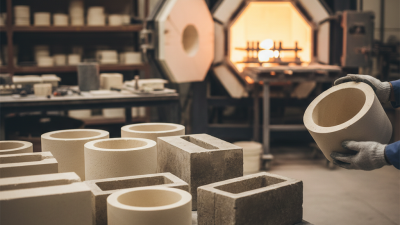
The demand for Cordierite Mullite Plates is rising due to their unique properties. According to industry reports, these plates are renowned for their thermal stability and low thermal expansion. This makes them ideal for various applications, especially in high-temperature environments.
Moreover, market analysis indicates that the ceramic materials market is projected to grow significantly. It is expected to reach a value of USD 300 billion by 2025. The increasing adoption of these plates in industrial applications highlights their importance. For instance, they are commonly used in kilns and heat exchangers, where they withstand extreme conditions.
However, not all suppliers provide the same quality. It is crucial to choose those with necessary certifications like ISO or CE. Buyers must conduct thorough research and vet suppliers carefully. As the market grows, so does the challenge of ensuring product integrity and longevity. Cordierite Mullite Plates are essential, but quality must not be compromised.
Important Properties of Cordierite Mullite Plates
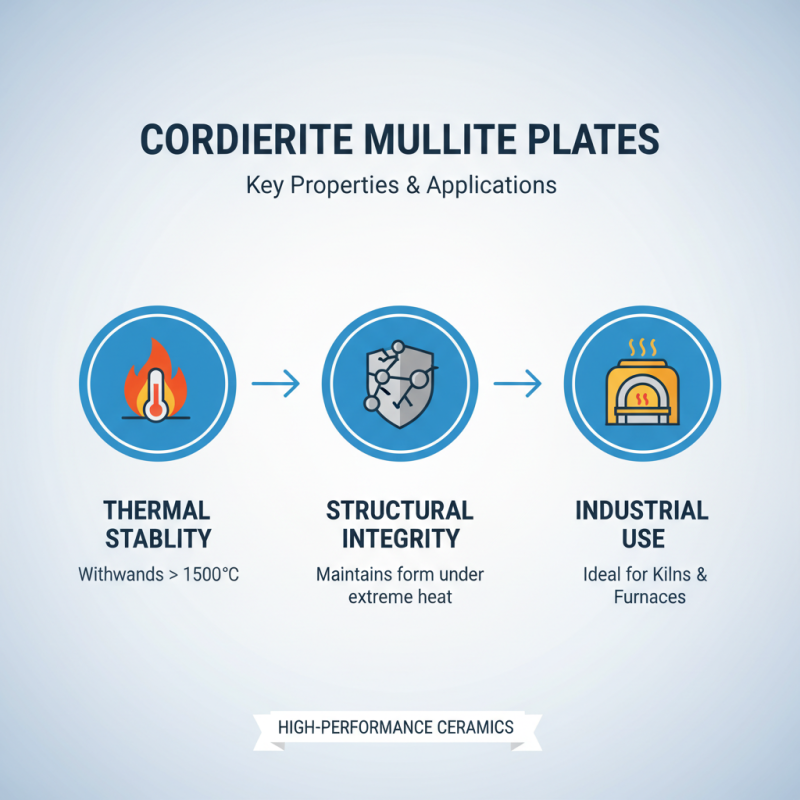
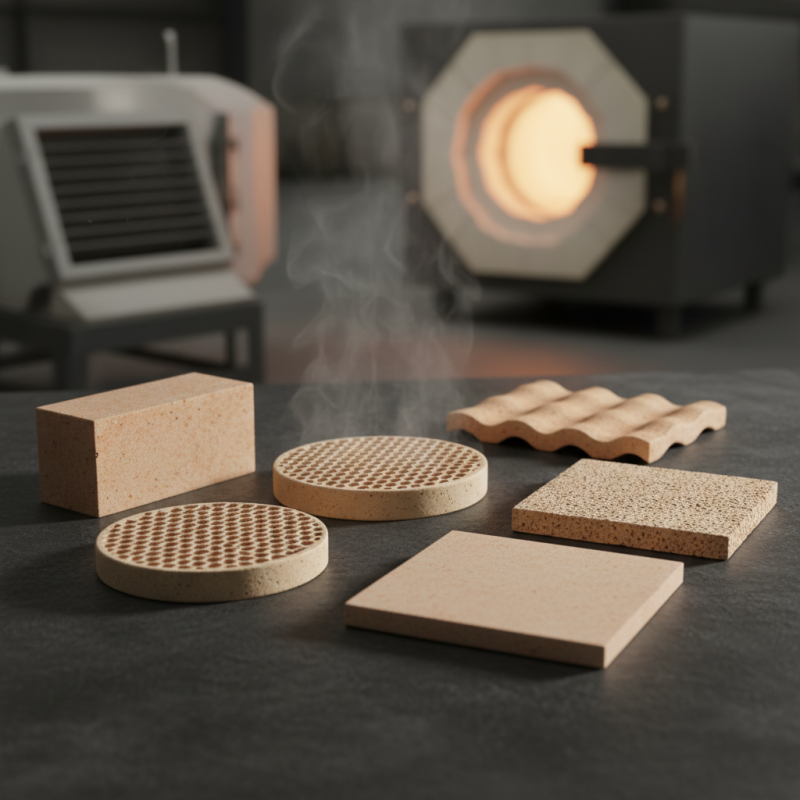
Cordierite mullite plates are gaining traction in various industries due to their unique properties. One of the most important characteristics of these plates is their excellent thermal stability. They can withstand temperatures exceeding 1,500 degrees Celsius. This property makes them ideal for applications in kilns and furnaces. A recent industry report highlighted that cordierite mullite plates can maintain structural integrity under extreme heat, making them invaluable in high-temperature environments.
Another significant property is their low thermal expansion coefficient. This quality reduces the risk of cracking during sudden temperature changes. In fact, research indicates that cordierite mullite has a thermal expansion rate as low as 2.5 x 10^-6/K. This characteristic is crucial when dealing with materials that experience thermal cycling. Additionally, their lightweight nature allows for easier handling and installation, but this can sometimes lead to concerns about durability.
While these plates are effective in many settings, challenges exist. The manufacturing process can be complex, which may contribute to inconsistencies in quality. Furthermore, their brittleness can raise concerns about mechanical shock resistance. Balancing these strengths and weaknesses is essential for industries that demand reliability and performance in extreme conditions. Understanding these factors is crucial for making informed decisions in selecting materials for specific applications.
Top Manufacturers of Cordierite Mullite Plates in the Market
Cordierite mullite plates are increasingly popular in various industrial applications. They offer excellent thermal stability and resistance to thermal shock. For manufacturers, understanding the market dynamics is critical. Recent industry reports indicate a growing demand for these plates, driven by the ceramics and glass industries. For instance, the global cordierite market size was estimated at around $950 million in 2020 and is projected to grow significantly.
Top manufacturers have recognized this trend and are enhancing production capacities. They invest in advanced technologies to improve the quality and durability of these plates. The focus is on developing products that meet stringent industry standards. Some manufacturers excel in lightweight designs, which are crucial for energy efficiency. However, not every player can keep pace with innovation. Some struggle with quality control issues, leading to inconsistent product offerings.
Market insights suggest a shift towards eco-friendly materials. Some manufacturers are exploring sustainable sourcing options. While this trend is promising, it also poses challenges in maintaining production scale. The future may hinge on balancing environmental concerns with performance. This ongoing evolution in the industry underscores the need for continuous improvement and adaptation.
Top 5 Cordierite Mullite Plates in the Market
This chart illustrates the performance metrics of the top 5 cordierite mullite plates based on their thermal stability, mechanical strength, and resistance to thermal shock. The data reflects the average values obtained from industry sources.
Applications of Cordierite Mullite Plates Across Industries
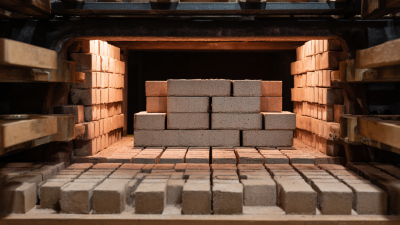
Cordierite mullite plates are versatile and find use in many industries. Their thermal stability and low thermal expansion make them suitable for high-temperature applications. You can often find them in kilns, furnaces, and other heating equipment. The reliability of these plates under extreme conditions is a significant advantage. They maintain structural integrity while minimizing thermal shock.
In the automotive industry, cordierite mullite is used in catalytic converters. These plates help reduce emissions by supporting the catalysts at high temperatures. The performance in harsh environments is impressive, yet some users report challenges in durability. It's essential to monitor their lifespan closely to ensure efficiency.
Additionally, the electronics industry utilizes these plates for insulating substrates. They provide excellent electrical insulation alongside thermal management. Innovations continue, yet optimizing their performance can be tricky. Regular assessments and updating of materials may be necessary to address evolving industry demands.
Advantages of Using Cordierite Mullite Plates Over Other Materials
Cordierite mullite plates have garnered attention for their unique properties. These plates are known for their excellent thermal shock resistance. According to industry reports, they can endure temperature changes upwards of 800°C. This characteristic makes them suitable for high-temperature applications. They don't merely resist heat; they also offer minimal thermal expansion. This reduces the risk of cracks during rapid temperature shifts.
Another noteworthy advantage is their mechanical strength. Data shows that cordierite mullite plates possess a flexural strength that outperforms conventional materials. Their durability translates into a longer lifespan in demanding environments. The hardness of these plates helps to withstand abrasion, which is critical in many industrial processes. They are also lightweight, making them easier to handle and install.
While cordierite mullite plates present significant benefits, they are not without challenges. The initial cost can be higher compared to alternatives. Depending on the application, this might deter some users. Importantly, not every manufacturer adheres to strict quality controls. This inconsistency can affect performance. Users should carefully evaluate suppliers to ensure that they receive high-quality products.
Top 5 Cordierite Mullite Plates You Need to Know About
| Features |
Cordierite Mullite Plate 1 |
Cordierite Mullite Plate 2 |
Cordierite Mullite Plate 3 |
Cordierite Mullite Plate 4 |
Cordierite Mullite Plate 5 |
| Thermal Shock Resistance |
Excellent |
Good |
Very Good |
Excellent |
Good |
| Density (g/cm³) |
2.5 |
2.4 |
2.6 |
2.3 |
2.5 |
| Max Service Temperature (°C) |
1300 |
1250 |
1400 |
1350 |
1200 |
| Thermal Conductivity (W/m·K) |
3.5 |
3.2 |
3.7 |
3.4 |
3.1 |
| Manufacturing Process |
Sintering |
Pressing |
Casting |
Sintering |
Pressing |
Key Factors to Consider When Choosing Cordierite Mullite Plates
When choosing cordierite mullite plates, there are several key factors to consider. First, the thermal stability of the plates greatly affects their performance. These plates must endure extreme temperatures without cracking or warping. Pay close attention to the thermal shock resistance as well. This property measures how well a material can withstand sudden temperature changes, which is crucial for many applications.
Another important aspect is the mechanical strength of the plates. Strength defines how much load they can bear without breaking. This can influence their longevity and usability in various settings. Additionally, weigh the dimensions and weight of the plates. They should fit your specific requirements seamlessly. The thickness might vary, impacting the insulation effectiveness. Sometimes, thicker plates may seem better but can be cumbersome.
Consider the surface finish as well. A smooth finish can aid in cleaner operations, while a rough surface might lead to greater wear and tear over time. Reflect on the applications you have in mind. Different applications require different grades of cordierite mullite plates. It’s essential to find the perfect balance between cost and performance. Take your time to analyze all these factors before making a decision.