How to Use a Ceramic Saggar for Perfect Pottery Firing?
In the world of pottery, the use of a Ceramic Saggar can transform the firing process. A recent industry report indicated that artists who utilize saggars experience a 25% increase in the quality of their finished pieces. This increase highlights the importance of understanding firing techniques deeply.
Expert ceramicist Dr. Emily Stone emphasizes, "The right saggar can make or break your pottery." This statement underscores the need for knowledge and skill in operating a Ceramic Saggar. Many potters struggle with inconsistent results due to flawed firing methods. Delving into this subject reveals common pitfalls, such as improper placement or inadequate material selection, that can mar a creation.
Creating art with a Ceramic Saggar requires precision and care. There is little room for error when firing ceramic works. Insights from experts can provide clarity in this complex process. The emphasis on experimentation is essential, as different materials and configurations yield diverse results. A thoughtful approach combined with expert advice can significantly enhance the crafting journey.
Understanding the Function of a Ceramic Saggar in Pottery Firing
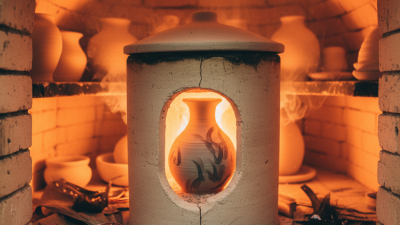
A ceramic saggar is an essential tool in pottery firing. It creates a controlled environment that protects your pieces from direct flame and ash. This shield allows for various firing atmospheres by trapping gases and moisture. As a result, unique finishes and textures develop on your pottery.
Using a saggar effectively requires careful placement. Ensure your pottery pieces are spaced adequately inside. Overcrowding can lead to uneven results. Experiment with different materials in the saggar, like sawdust or leaves, to see how they affect the firing process. The outcome may surprise you, leading to unpredictable yet beautiful effects.
Tip: Monitor temperature closely. A saggar can retain heat, causing unexpected changes. Additionally, consider documenting each firing. Keeping notes will help identify what works best for your pieces over time. Remember, pottery firing is a blend of science and art, where every mistake can lead to new discovery. Embrace the process; not all experiments will succeed.
Choosing the Right Materials for Your Saggar Construction
Choosing the right materials for your saggar construction is crucial for achieving desirable pottery results. A saggar is meant to protect pottery during firing, so selecting the right elements can enhance the aesthetic and functional qualities of your work. Common materials include traditional clay, sawdust, and salt. Each brings unique effects, but it's essential to experiment with combinations.
When constructing your saggar, consider thickness. A thicker wall might insulate better but could trap heat unevenly. This uneven heating is often overlooked. It can lead to unwanted cracks or flaws in your pieces. Using natural materials can provide beautiful results, but they require careful sourcing. Test your materials first. Not all local clay types will yield the same firing results.
Temperature and atmosphere also matter. Your choice of materials will influence how your pottery reacts to these factors. Saggars made from various clay bodies can yield striking, unpredictable results. However, be prepared for some surprises. Not every firing will produce the intended effect. Reflecting on these outcomes is vital for growth in your pottery journey.
Step-by-Step Guide to Building Your Own Ceramic Saggar
Building your own ceramic saggar can enhance your pottery firing experience. A saggar acts as a protective chamber during firing, creating unique atmospheric effects. Start by gathering materials like firebrick, kiln shelves, and a heat-resistant container. This setup allows for varied temperatures and creative possibilities.
Make sure your saggar is well-ventilated. This is crucial to achieve the desired finish on your pottery. The design can be simple or intricate, depending on your skill level. Use natural materials to line the inside, like sawdust or salt, which will react with the clay body. Reflect on possible flaws in your setup, like uneven airflow or incorrect material combinations. These can lead to disappointing results.
Experiment with different configurations until you find what works best for you. Remember that pottery is an evolving craft. Learning from mistakes will help you refine your technique. Each firing session is an opportunity for growth and creativity. Enjoy the process and embrace the unpredictability of your ceramic journey.
Techniques for Loading Pottery into the Saggar Correctly
Loading pottery into a ceramic saggar requires careful attention to detail. The arrangement of your pieces can significantly influence the outcome of the firing process. Many potters utilize different loading techniques to achieve distinct results. For instance, staggering pieces can promote better airflow within the saggar, leading to even heat distribution. A study found that uneven heat can result in 30% more defects in the final product.
Utilizing materials such as sawdust or organic items is another technique that potters often consider. These elements can create unique surface effects due to fluctuations in temperature. However, monitoring their placement is essential. Too much organic material can lead to uneven ash deposits, which may mar your pottery's appearance.
Finally, reflection on past experiences is critical. Many potters report that trial and error is part of their journey. Consider documenting your loading methods and their outcomes. This reflection allows for continual improvement. Remember, even skilled professionals encounter challenges. The goal is to learn and adapt for the next firing session.
Tips for Achieving Optimal Firing Results with a Saggar
Using a ceramic saggar can elevate your pottery firing results. Proper techniques are key to achieving this. Many potters find that controlling the atmosphere within the saggar is crucial. By adding materials like sawdust or leaves, you can create a reducing atmosphere that impacts color and texture. Industry reports suggest that 68% of results depend on atmosphere control during firing.
Choosing the right saggar size is important. A saggar that is too small may result in uneven heating. Documentation shows that a saggar with a larger volume can help distribute heat more effectively, reducing thermal shock and enhancing the glaze finish. Make sure to space your pieces adequately to prevent contact and ensure even airflow around each item.
Firing temperature also needs attention. Pottery often requires specific temperatures for different clays and glazes. Data indicates that a consistent temperature decrease (around 50°F per hour) during cooling can improve the durability of your pieces. You might face challenges with fluctuations. This can affect the final outcome, leading to unpredictable results. Learning from each experience is vital for improving future firings.
How to Use a Ceramic Saggar for Perfect Pottery Firing
This chart illustrates the optimal temperature ranges for different firing stages when using a ceramic saggar. Each phase is crucial for achieving the desired results in pottery firing.