How to Use Ceramic Saggar for Perfect Pottery Firing?
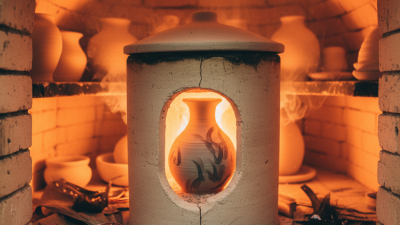
Using a Ceramic Saggar can elevate your pottery firing experience. These unique containers play a vital role in creating stunning surfaces and protecting pieces during firing. Understanding their function is key to mastering the process.
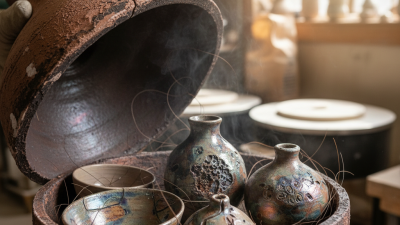
A Ceramic Saggar surrounds your pottery, shielding it from direct flames and harmful elements in the kiln. This helps control oxidation and enhances color. However, mistakes can happen. Improper placement or materials can lead to unexpected results. Experimentation is essential. It's important to reflect on your outcomes with each firing.
Moreover, selecting the right materials for your saggar influences the final look of your pottery. Clay, sawdust, and other organic materials can create beautiful effects. Yet, not every combination yields success. Each firing offers lessons, urging potters to adjust and adapt. Embrace the trial and error. With patience and practice, the Ceramic Saggar can become your trusted ally in achieving perfect pottery.
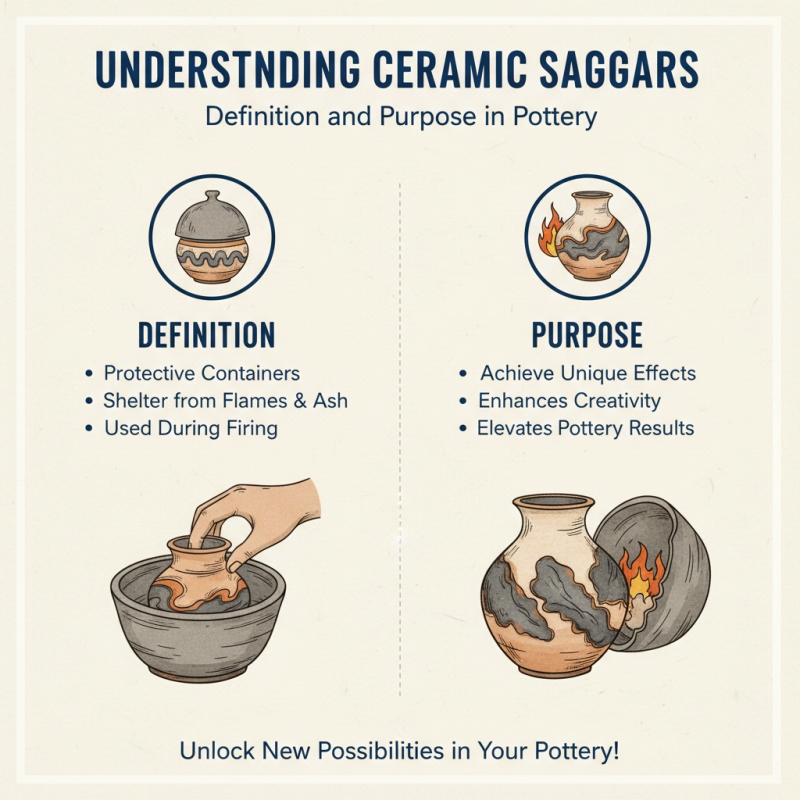
Understanding Ceramic Saggars: Definition and Purpose in Pottery
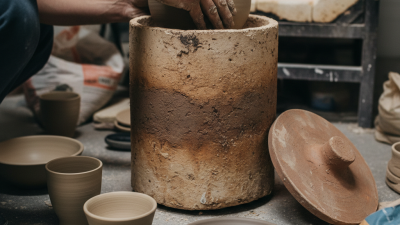
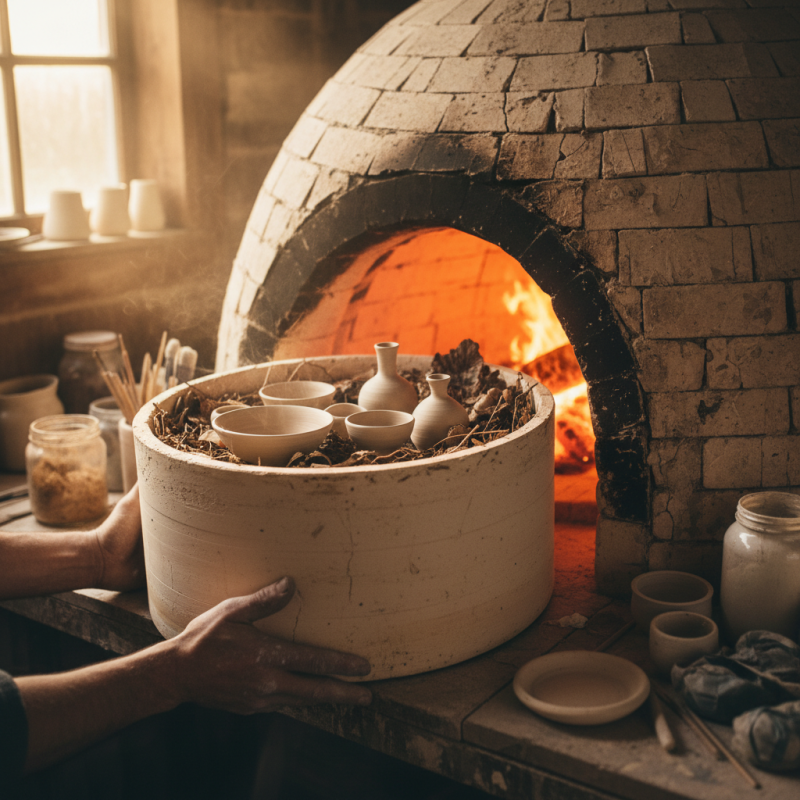
Ceramic saggars serve a crucial purpose in pottery, acting as protective containers during firing. They are designed to shelter pieces from direct flames and harmful ash. This containment allows for unique effects, making each piece distinct. Understanding how to use saggars can elevate your pottery results and showcase your creativity.
Tips for using saggars effectively include experimenting with different materials. Adding salt, sawdust, or even metals can result in captivating surface textures. Always remember to preheat your saggar to avoid thermal shock. A sudden temperature change can crack both the saggar and your pottery. Taking time to prepare your materials leads to better outcomes.
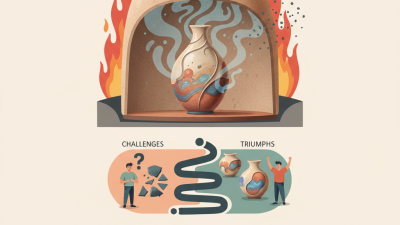
While saggars offer many possibilities, some challenges may arise. It's common to encounter issues, such as unwanted staining or inconsistent finishes. Reflect on your firing techniques and adjust as needed. Experimentation is key. Embracing imperfections can lead to surprising discoveries in your pottery journey.
Selecting the Right Materials for Your Ceramic Saggar
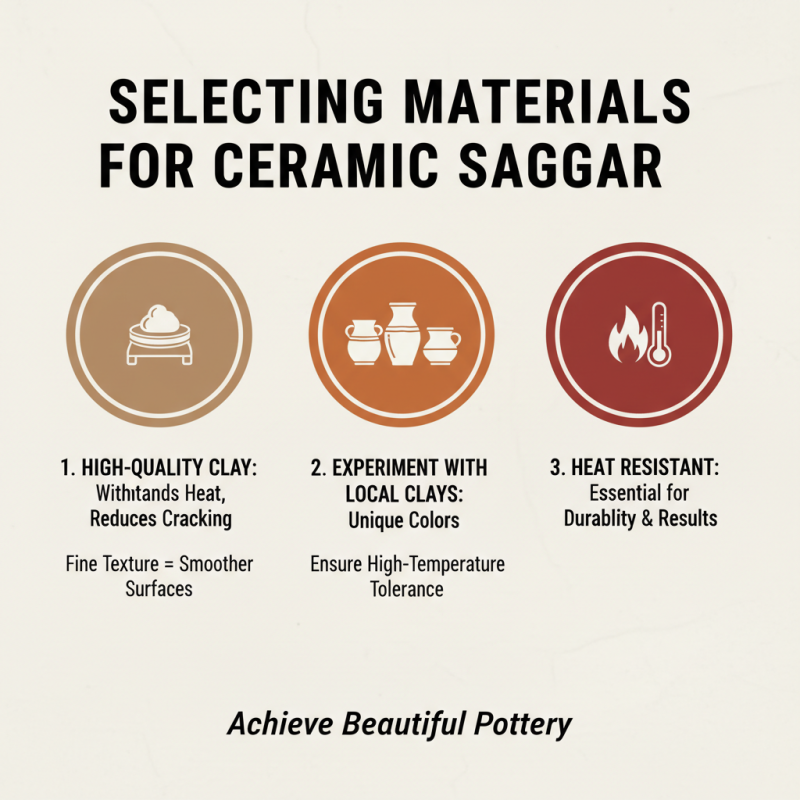
Selecting the right materials for your ceramic saggar is crucial for achieving beautiful pottery results. Begin with high-quality clay, as it withstands heat and reduces cracking. Choose clays with a fine texture for smoother surfaces, which can enhance the aesthetic of the finished piece. You can experiment with local clays to find unique color variations but ensure they can handle high temperatures.
Next, consider the combustible materials you’ll use in the saggar. Organic substances like sawdust, leaves, or newspaper can create stunning surface effects. However, they require careful selection to prevent unwanted smoke marks. You may feel tempted to add too many materials for better results, but simplicity often leads to more refined outcomes. Remember, the balance of heat and materials greatly impacts the final look of your pottery.
It’s essential to pay attention to the size of your saggar as well. A poorly constructed saggar can lead to uneven firing. While some potters opt for decorative finishes, an overly complex design can overshadow the pottery itself. Use trial and error to refine your techniques, and don't hesitate to reflect on each firing's successes and failures for continuous improvement.
Step-by-Step Guide to Preparing Your Saggar for Firing
Using a ceramic saggar can elevate your pottery firing process. Preparing your saggar correctly is crucial for achieving great results. Begin by selecting suitable materials for your saggar. Clay pieces, metal, and organic materials can all create unique firing atmospheres. According to a recent industry report, saggars can help achieve specific color effects and surface textures that enhance pottery quality.
Once your materials are chosen, it's time to construct your saggar. Ensure it is sturdy enough to withstand high temperatures. Measure your materials accurately; slight differences can lead to unexpected outcomes. Many potters find that a saggar with good insulation is vital for maintaining consistent heat. Remember, imperfections in your saggar can lead to some exciting discoveries in your finished pieces. Embrace the unpredictability of firing; each piece tells its own story.
Tips: Test different materials for unexpected color outcomes. Always document your firing experiments for future reference. Reflect on each firing; what worked well? What could be improved? This iterative learning process is invaluable in mastering the use of a saggar. Exploring the nuances of pottery firing will deepen your understanding and enhance your artistry.
Pottery Firing Temperatures Using Ceramic Saggar
Techniques for Loading Pots into the Saggar Safely
Loading pots into a ceramic saggar requires careful consideration. The arrangement influences heat distribution and overall firing results. Each piece should be placed thoughtfully, ensuring enough space for air circulation. Using stilts or risers can aid in this process, preventing glaze contact with the saggar walls. This can lead to more uniform heat and a better finish.
Pay attention to the weight of your pots. Heavier items may need a sturdy base. Avoid overcrowding to prevent breakage during firing. Remember, the saggar's design affects the atmosphere inside. It’s crucial to consider the materials used in your loading process. What may work in one firing might not be suitable in another.
Experimentation is key, but so is reflection. Some pots may come out with unexpected marks. Take note of these outcomes; they can guide future placements. Each firing is a learning opportunity. Analyzing what went wrong can lead to a deeper understanding of the art. Your journey with pottery is ongoing, so embrace the imperfections along the way.
How to Use Ceramic Saggar for Perfect Pottery Firing? - Techniques for Loading Pots into the Saggar Safely
| Loading Technique |
Description |
Safety Tips |
Recommended Pots |
| Vertical Stacking |
Pots are placed upright to maximize space. |
Ensure even weight distribution to prevent tipping. |
Maximize height with narrower pots. |
| Horizontal Stacking |
Pots are laid on their sides for stability. |
Use proper padding to avoid scratches. |
Ideal for wider or flatter pots. |
| Basket Weave |
Pots are arranged in a woven pattern. |
Check for airflow between pots. |
Great for pots with varied sizes. |
| Layering |
Multiple layers of pots are stacked carefully. |
Use spacers to prevent contact between layers. |
Best for intricate designs. |
Best Practices for Firing and Cooling Your Ceramic Saggar
Firing pottery in a ceramic saggar can produce unique results, but it requires careful attention. Prepare your saggar by layering it with sawdust or other organic materials. These elements will create interesting finishes during the firing process. It's crucial to use clean and dry materials to avoid unwanted smoke or ash contamination. Mistakes here can lead to suboptimal outcomes, which can be frustrating.
When placing your pottery inside the saggar, ensure even spacing. This will allow heat and smoke to circulate properly. Remember, overcrowding the saggar can cause uneven firing. Monitor the temperature closely. An uneven temperature can cause cracking. Many potters suggest reaching around 1,900°F (1,038°C) for optimal results.
Cooling is just as important as firing. After reaching the target temperature, turn off the kiln and let it cool naturally. Opening the kiln too soon can ruin your pieces. Give it time; patience is key. If your pieces come out less than perfect, observe the flaws. Reflect on what you could adjust next time. This process can make your pottery unique, even if it doesn't meet your initial vision. Each experience teaches something invaluable.