Choosing a China top Corundum Mullite Plate manufacturer supplier requires more than comparing catalog prices. Performance matters. Buyers should examine raw material quality, firing control, dimensional accuracy, and documented testing. A dependable supplier explains alumina content, mullite structure, apparent porosity, bulk density, and service temperature clearly. These details influence plate strength, thermal shock resistance, and long-term stability inside kilns.
This introduction explores how experienced Chinese manufacturers produce Corundum Mullite Plate for ceramics, electronics, powder metallurgy, and high-temperature laboratory applications. Skilled production teams usually control batching, pressing, drying, sintering, and final inspection at every stage. They may also provide customized thicknesses, grooves, holes, edge profiles, and packaging for international transport. Practical evidence matters, including material certificates, inspection records, sample approval, and customer feedback from comparable applications.
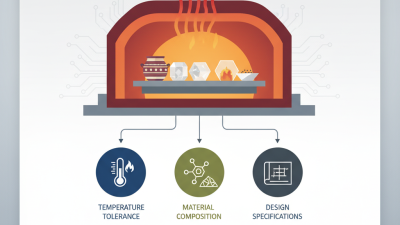
A trustworthy manufacturer should connect technical data with actual operating conditions. Plate performance can change under repeated heating, uneven loading, chemical exposure, or rapid cooling. Details matter. Buyers should ask about maximum recommended temperature, load-bearing limits, thermal cycling results, and replacement intervals. Some supplier claims may sound impressive but remain incomplete without test methods and traceable records. That deserves reflection. The lowest quotation may hide higher costs caused by warping, cracking, or frequent replacement. Careful communication, transparent specifications, and pre-shipment inspection help reduce these risks. This guide will assess supplier capability, product consistency, customization support, export experience, and after-sales responsibility before recommending a suitable Chinese partner.

A corundum mullite plate is a high-temperature ceramic support made from corundum and mullite crystals. Corundum is mainly alpha-alumina, while mullite contains alumina and silica. This combined structure provides high refractoriness, mechanical strength, and resistance to chemical attack. The plate commonly supports ceramic parts during kiln firing, sintering, and heat treatment.
Its dense surface helps reduce deformation under load. Its controlled porosity can improve thermal shock performance. However, porosity, thickness, and firing temperature must be balanced carefully. A very dense plate may resist wear but heat more slowly. A highly porous plate may crack or lose strength under heavy loads. Small cracks matter.
In practical selection, technicians should check the operating temperature, load distribution, atmosphere, and heating cycle. A plate used near 1,600°C needs different design control from one used below 1,300°C. Flatness is also important because uneven support can distort delicate ceramic components. Inspect edges and corners before installation. They often receive the first impact.
Manufacturing quality depends on raw material purity, uniform pressing, controlled firing, and accurate dimensional inspection. Even a well-made plate can fail after sudden cooling or repeated mechanical impact. That limitation is easy to underestimate. A suitable corundum mullite plate should match the kiln process, not merely the highest advertised temperature.
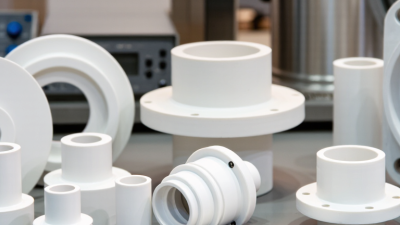
Corundum mullite plates combine corundum’s hardness with mullite’s thermal stability. This structure supports repeated firing in ceramic and advanced material kilns. The plates resist deformation under high temperatures when the load is properly distributed. Their low creep helps maintain a flat firing surface over many cycles. However, performance depends on formulation, firing quality, thickness, and operating temperature.
Thermal shock resistance is another practical advantage. A plate can tolerate controlled heating and cooling without immediate cracking. Rapid temperature changes still create stress. Keep the plate dry, preheat it evenly, and avoid placing cold ware on a hot surface. Its smooth working face reduces sticking and supports consistent product placement. Dimensional accuracy also matters, especially when shelves slide through a narrow kiln chamber.
A reliable supplier should provide firing data, chemical composition, and batch traceability. Ask for testing related to bulk density, porosity, strength, and thermal expansion. Visual inspection should check edge chips, warping, and surface cracks. Small defects can grow during service. No plate is perfect. Careless stacking may cause failure faster than poor material selection. In my view, the best evaluation combines laboratory figures with actual kiln conditions, including load weight, firing cycle, atmosphere, and cooling rate. Simple records from each batch can reveal whether a supplier delivers stable quality over time.
China Top Corundum Mullite Plate Manufacturer Supplier?
How Corundum Mullite Plates Are Manufactured in China
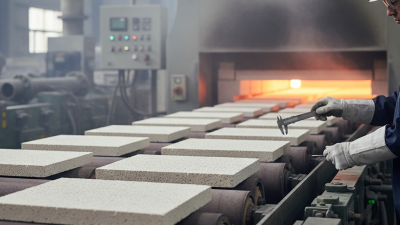
Manufacturing begins with carefully selected alumina and mullite powders. Their purity affects strength, thermal shock resistance, and service life. Technicians test moisture, particle size, and chemical composition before mixing. The powders are blended with controlled additives and a measured amount of binding agent. Small differences matter. An uneven mixture can create weak areas inside the finished plate.
The prepared material is shaped through hydraulic pressing or casting, depending on the required size and thickness. Pressing pressure must remain stable across the entire mold. Operators inspect edges and corners because hidden cracks often begin there. After forming, plates are dried slowly in controlled conditions. Fast drying may cause warping or surface damage. This stage appears simple, but it requires patience and experience.
Dried plates enter a high-temperature kiln, commonly reaching about 1,600–1,750°C according to the formulation. The firing schedule controls mullite development, bonding, and dimensional stability. Experienced technicians monitor temperature changes throughout the kiln, not only the final reading. After cooling, each plate receives visual inspection and dimensional measurement. Some batches also undergo thermal shock, water absorption, bulk density, and strength testing. No production line is flawless. A responsible supplier reviews rejected pieces and adjusts the process instead of hiding imperfections. Machining may follow, producing smoother surfaces, drilled holes, or tighter tolerances for industrial installation.
Main Applications Across High-Temperature Industries
Corundum mullite plates support demanding thermal processes where ordinary kiln furniture may deform or crack. Their dense ceramic structure offers strong resistance to heat, abrasion, and chemical attack. In ceramic production, technicians use them as kiln shelves for firing tiles, sanitaryware, electrical ceramics, and technical components. They provide a stable surface during repeated heating cycles.
These plates also serve in powder metallurgy, heat treatment, and laboratory furnaces. Metal parts can rest on them during sintering or controlled thermal processing. In glass and electronic material production, they help separate products from furnace floors and reduce contamination risks. Their low deformation under load is valuable when products remain hot for several hours. Small surface particles still matter.
In practical use, plate selection depends on temperature, load, atmosphere, and heating speed. A thick plate may resist bending, but it can require slower heating and cooling. Uneven loading often causes hidden stress. Inspect edges for chips before each cycle, and avoid placing cold parts on a hot surface. Experience shows that shelf life depends on handling as much as material quality. No refractory plate lasts forever. Measurements, firing records, and regular inspection make replacement decisions more reliable.
The chart shows representative peak operating temperatures commonly encountered in major industries using high-alumina refractory setter plates. Actual temperatures vary according to furnace design, atmosphere, cycle time, material load, and process conditions.
China Top Corundum Mullite Plate Manufacturer Supplier?
Choosing a reliable Chinese manufacturer requires more than comparing prices. Check the supplier’s experience with corundum mullite plates, kiln furniture, and high-temperature applications. Ask for technical data, including alumina content, apparent porosity, bulk density, thermal shock resistance, and maximum service temperature. A capable supplier should explain how these properties affect your kiln cycle.
Request samples made to your actual dimensions. Inspect the plate edges, surface flatness, and visible cracks after delivery. Ask for batch test reports and production photos, but verify them against an independent inspection when the order is important. Clear drawings should show thickness tolerance, hole positions, firing direction, and packaging requirements. Reliable communication matters. Delayed answers can become costly during production changes. A polished website proves little. Factory capability must be checked.
Tips: Compare at least three suppliers. Visit the factory, or arrange a live video inspection. Confirm raw material sources, mold control, firing temperature, and final inspection records. Discuss replacement terms before payment. Do not select the cheapest offer automatically; uneven plates may damage kiln loading and shorten service life. The process is rarely perfect. Even experienced buyers can overlook moisture protection during shipping, so include it in the purchase agreement.
| Evaluation Dimension | Recommended Requirement or Reference Range | Why It Matters | Verification Method |
|---|---|---|---|
| Material composition | Corundum–mullite ceramic with a documented alumina and mullite phase composition. The exact formulation should match the intended firing temperature and load. | Composition affects refractoriness, thermal-shock resistance, dimensional stability, and chemical compatibility. | Request the technical data sheet, raw-material specification, and an independent chemical or phase-analysis report when required. |
| Maximum service temperature | Common product grades are generally selected for service temperatures of approximately 1,400–1,700 °C; the certified value must be confirmed for the specific grade and load. | A nominal firing temperature is not the same as a continuous working temperature under mechanical load. | Ask for test conditions, load-bearing data, firing schedule, and the recommended safety margin. |
| Bulk density | A dense plate commonly falls within approximately 2.6–3.0 g/cm³, depending on formulation and porosity. | Higher density usually improves strength and wear resistance but may influence thermal-shock behavior and weight. | Require a lot-specific test report based on a recognized apparent-density method. |
| Apparent porosity | Typical dense grades may be specified at approximately 15–25%; the agreed tolerance should be stated in the purchase specification. | Porosity influences molten-material penetration, strength, thermal conductivity, and resistance to repeated heating. | Check the test standard, sampling plan, and results for the actual production lot. |
| Cold crushing strength | Set a project-specific minimum, commonly in the tens of MPa for dense refractory plates; do not accept a value without its test temperature and method. | Adequate strength helps plates withstand stacking, handling, kiln fixtures, and the weight of fired products. | Review laboratory results and confirm whether strength was measured on machined or as-fired specimens. |
| Thermal-shock performance | The supplier should provide thermal-cycling evidence relevant to the customer’s heating and cooling cycle rather than a general claim of “excellent” resistance. | Rapid temperature changes are a major cause of cracking, edge failure, and shortened service life. | Request test-cycle details, temperature range, cooling medium, sample dimensions, and post-test inspection criteria. |
| Dimensional tolerance | The quotation should define length, width, thickness, flatness, squareness, hole position, and machining tolerances; a practical starting point for thickness tolerance is often around ±0.5–1.0 mm, subject to size and process. | Controlled dimensions prevent fixture misalignment and uneven loading in kiln operations. | Approve a dimensional drawing and inspection plan before mass production; use calibrated measuring tools. |
| Surface and edge quality | Surfaces should be free from through-cracks, severe warping, open laminations, and harmful chips. Edge-chamfer requirements should be agreed in advance. | Defects at edges and corners can develop into cracks during thermal cycling or handling. | Define visual acceptance criteria, allowable chip size, crack inspection, and photographic records for each batch. |
| Application suitability | Confirm compatibility with ceramic firing, powder metallurgy, heat treatment, kiln furniture, or other intended use, including atmosphere and contact materials. | The same plate may perform differently in oxidizing, reducing, vacuum, or chemically aggressive environments. | Provide operating temperature, cycle time, atmosphere, product weight, support span, and possible chemical contaminants. |
| Quality-management system | Prefer a manufacturer able to provide controlled procedures for incoming materials, forming, drying, firing, machining, inspection, and nonconforming products. | A documented process is more reliable than a product claim based only on a sample or catalogue image. | Request current certification where applicable, process-flow documentation, inspection records, and corrective-action procedures. |
| Sample and pilot-order policy | A reliable supplier should support representative samples or a controlled pilot order before full-scale production. | Testing samples under actual kiln conditions reduces the risk of expensive production failures. | Use approved samples with signed specifications, lot identification, and a defined sample-to-mass-production approval process. |
| Traceability | Each shipment should be linked to a production lot, manufacturing date, raw-material records, inspection results, and packing documentation. | Traceability supports root-cause analysis and consistent repeat purchasing. | Check lot numbers on labels, certificates, cartons, and commercial documents before shipment. |
| Packaging and export protection | Use rigid, moisture-protected packaging with separators, corner protection, palletization, and clear handling marks. | Ceramic plates are vulnerable to impact, edge chipping, and vibration during international transport. | Approve the packing method with photos or a packing specification and inspect the shipment immediately on arrival. |
| Commercial transparency | The quotation should separately identify product price, tooling, machining, packaging, testing, delivery terms, lead time, payment terms, and warranty conditions. | A transparent quotation makes supplier comparisons meaningful and limits unexpected charges. | Compare written offers using the same technical specification and request clarification for every excluded item. |
| Pre-shipment inspection | Use an agreed inspection plan covering quantity, dimensions, appearance, packaging, certificates, and sampling frequency. | Inspection before dispatch helps identify defects while corrective action is still practical. | Conduct supplier inspection or independent inspection against the signed purchase specification. |
Note: The numerical ranges above are general purchasing references for dense corundum–mullite plates, not guaranteed values for every grade. Final acceptance criteria should be confirmed in the supplier’s technical data sheet, approved drawing, test standard, and purchase contract.